Shugborough Estate – the home of Patrick Lichfield, Queen Elizabeth II’s photographer
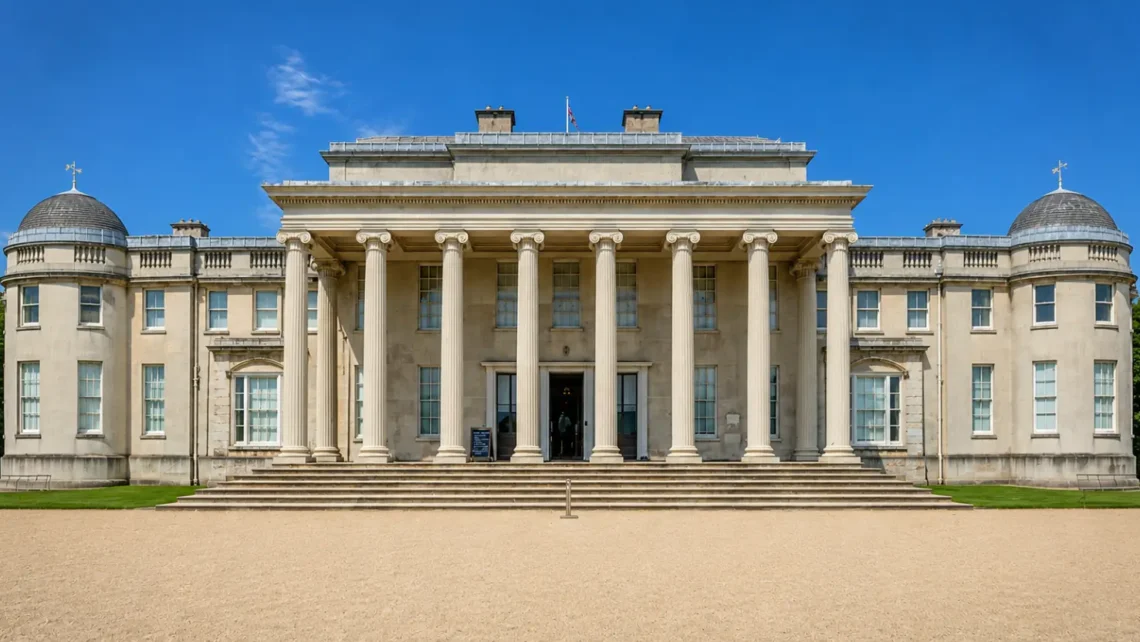
Shugborough Estate is a historic country house in Staffordshire, renowned both for the impressive architecture of the Anson family and for having been the home of Patrick Lichfield, Queen Elizabeth II’s personal photographer. It is a place where history, art and aristocratic life intertwine to form a single narrative.
Photo captions (Polish)
Header image
The image depicts an open book with the inscription ‘The Beauty of the UK’, lying on a wooden desk surrounded by a candle, a compass, a pen and maps. Magical, three-dimensional scenes emerge from the pages of the book, depicting various places in the UK: a seaside pier, a historic palace and a tall tower reminiscent of landmarks in British cities. The warm, golden-orange tones create an atmosphere of travel, discovery and nostalgia. The image symbolically combines the beauty of British landscapes with the theme of a personal story recorded in the book.
Featured image
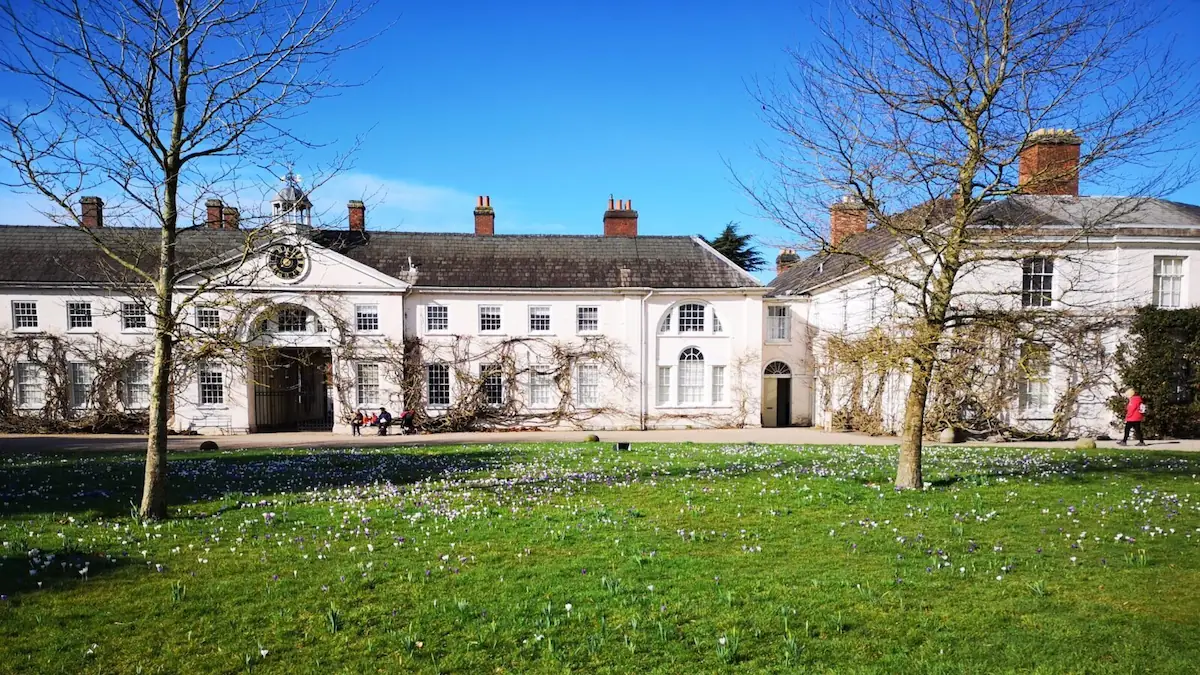
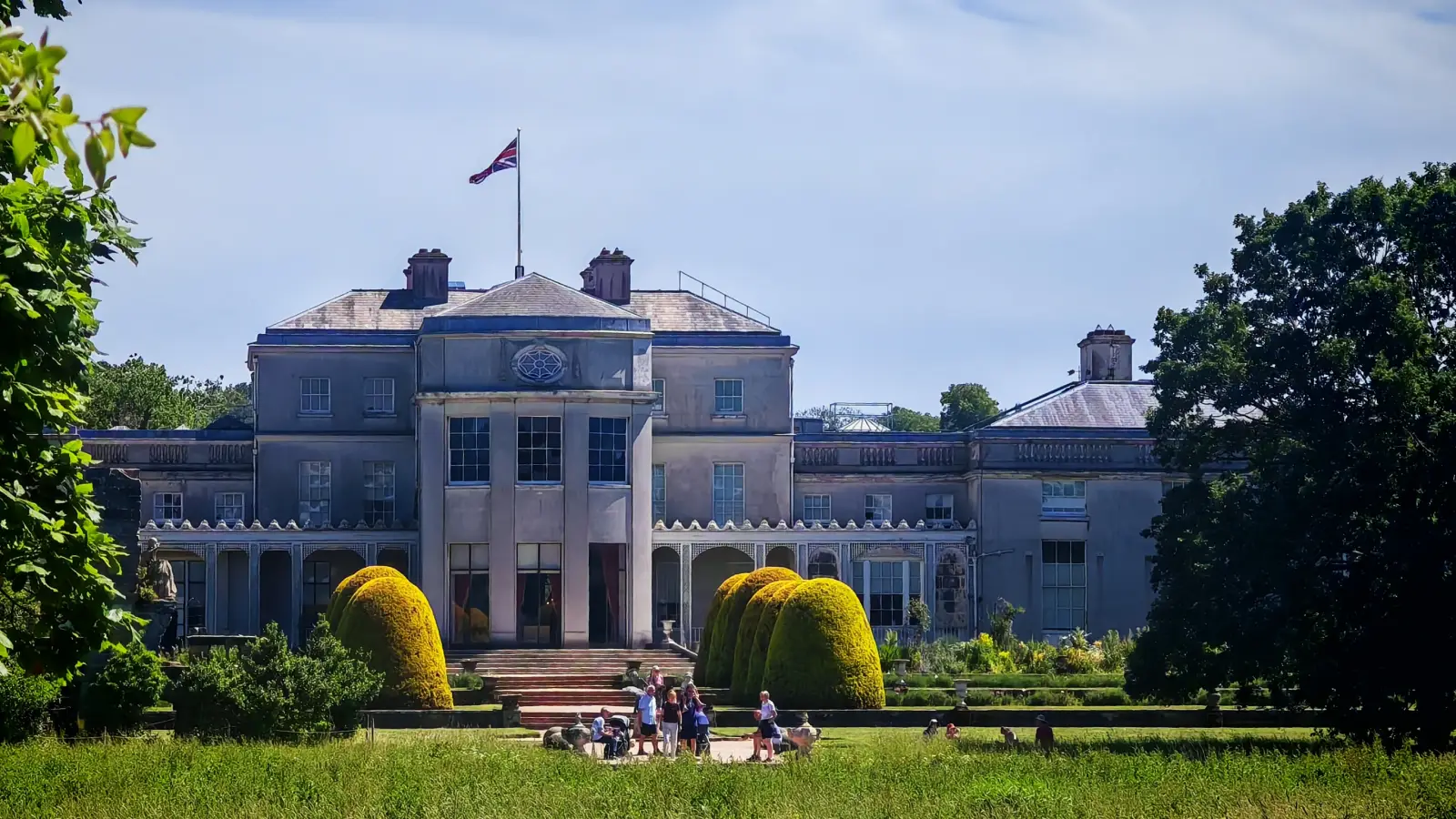
The photograph depicts a tranquil view of Shugborough Estate from the perspective on the other side of the river. The imposing neoclassical mansion dominates the frame with its symmetrical façade, tall columns and elegant pediment, whilst the surrounding lawns and gardens create a sense of space and harmony. Near the entrance, groups of visitors can be seen strolling and gathering on the steps, adding scale and a touch of dynamism to the scene. Mature trees and well-tended flowerbeds soften the building’s architectural lines, whilst the view from the river emphasises the picturesque and historic character of the entire estate.
Image descriptions (English)
Header image
The image shows an open book titled “Beauty of the UK”, resting on a wooden desk surrounded by a candle, a compass, a quill and maps. From the pages of the book rise magical, three‑dimensional scenes depicting various places in the United Kingdom: a seaside pier, a historic palace and a tall tower reminiscent of iconic British landmarks. The warm, golden-orange colour palette creates an atmosphere of travel, discovery and nostalgia. The image symbolically blends the beauty of British landscapes with the idea of a personal story written within the book.
Featured image
This photograph presents a tranquil view of Shugborough Estate as seen from the opposite side of the river. The grand neoclassical mansion dominates the scene with its symmetrical façade, tall columns and elegant pediment, whilst the surrounding lawns and gardens create a sense of openness and calm. Groups of visitors can be seen walking near the entrance and gathering on the steps, adding a sense of scale and gentle activity. Mature trees and well‑kept flower beds soften the architectural lines, and the riverside vantage point enhances the estate’s picturesque and historic character.
One generation passes away and another comes, but the earth remains for ever.
Ecclesiastes 1:4
Shugborough Estate – history, architecture and royal connections
Shugborough Estate – a place steeped in history
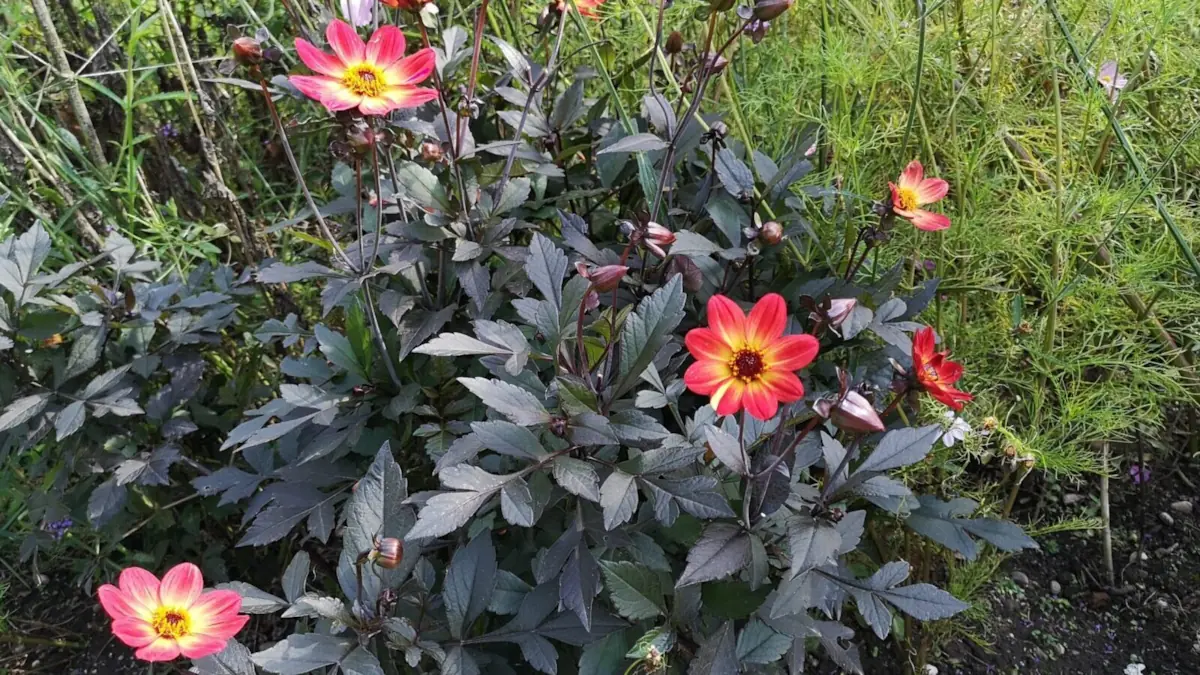
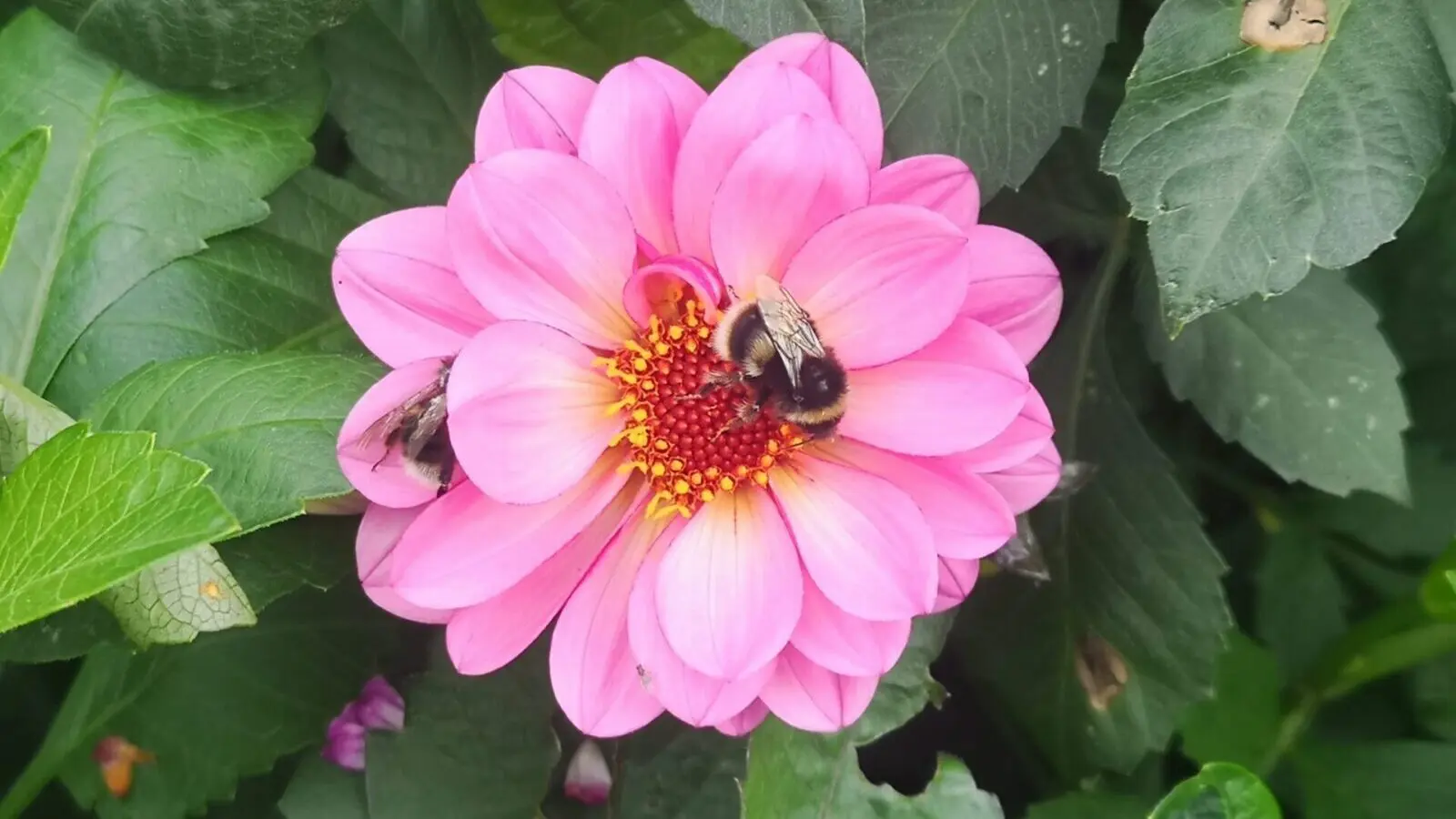
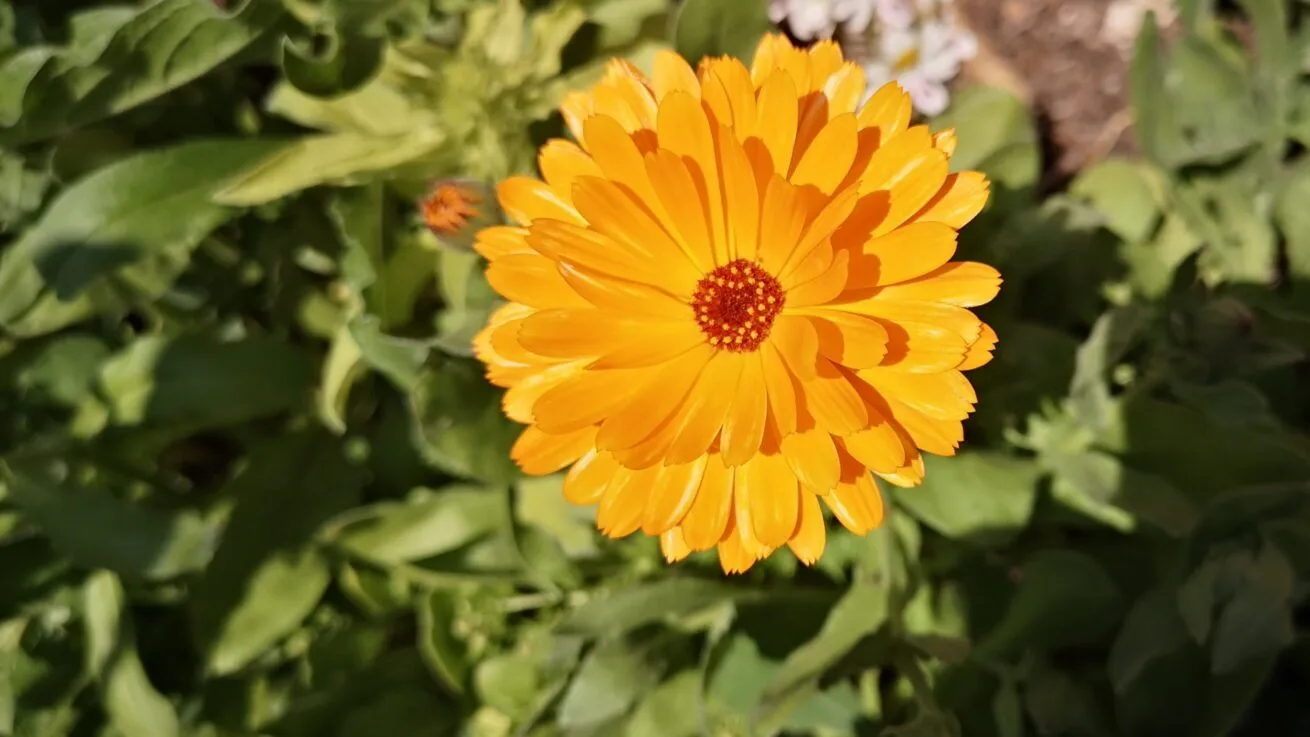
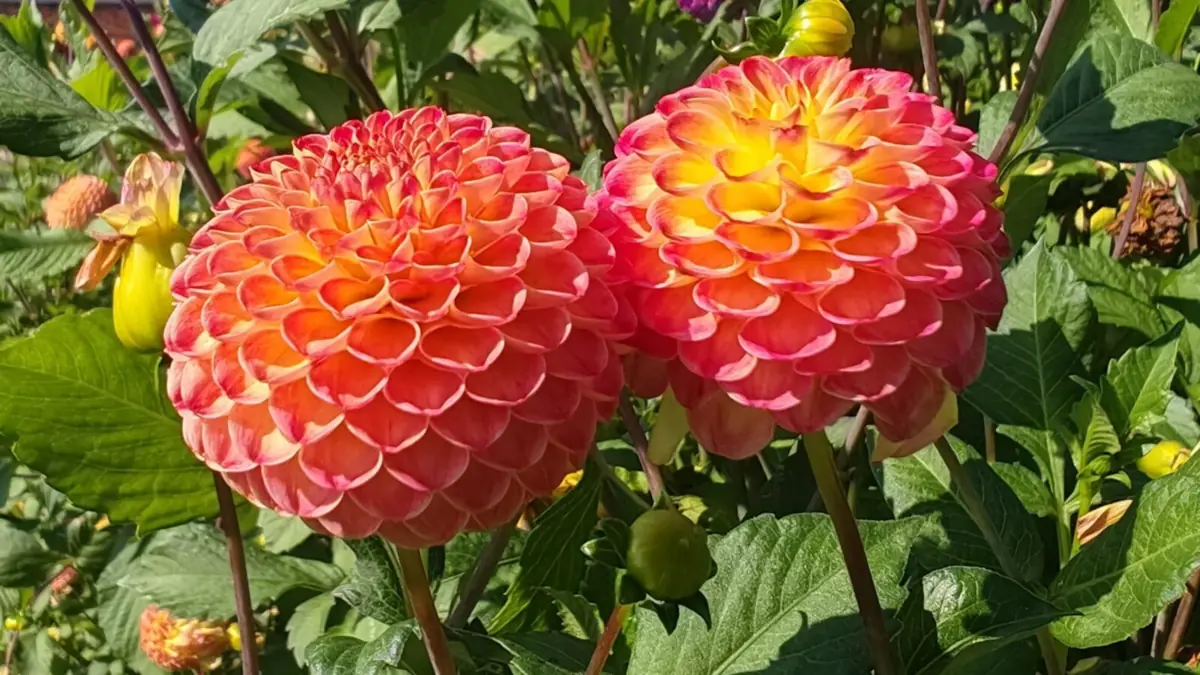
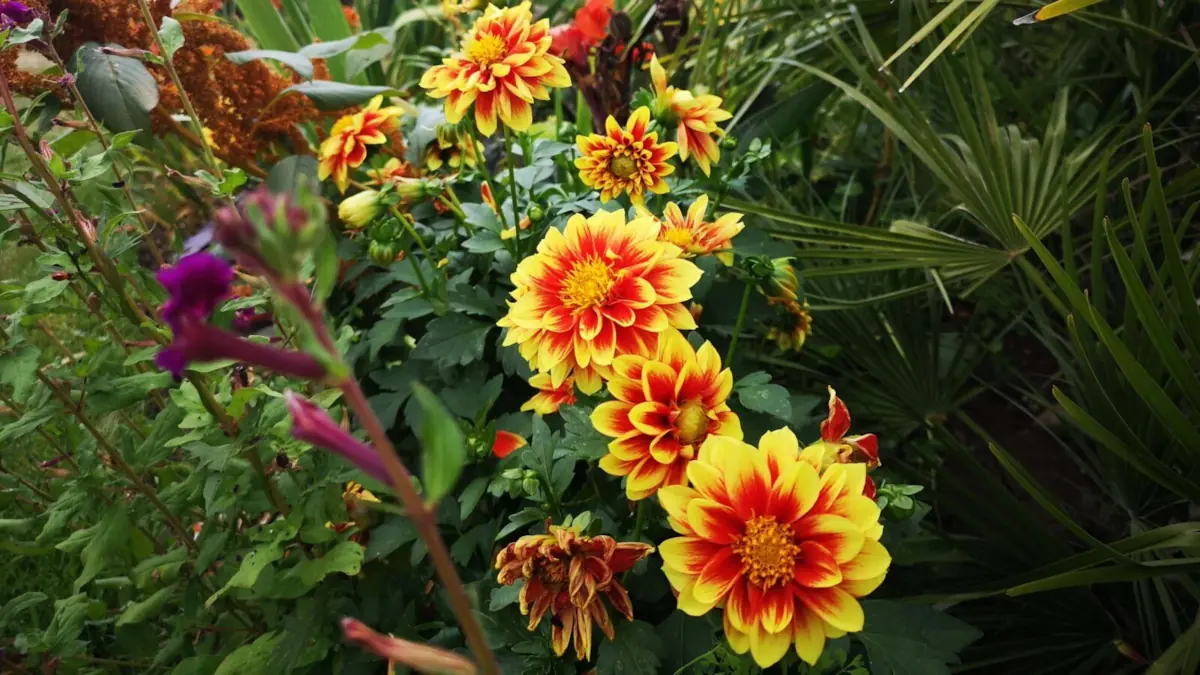
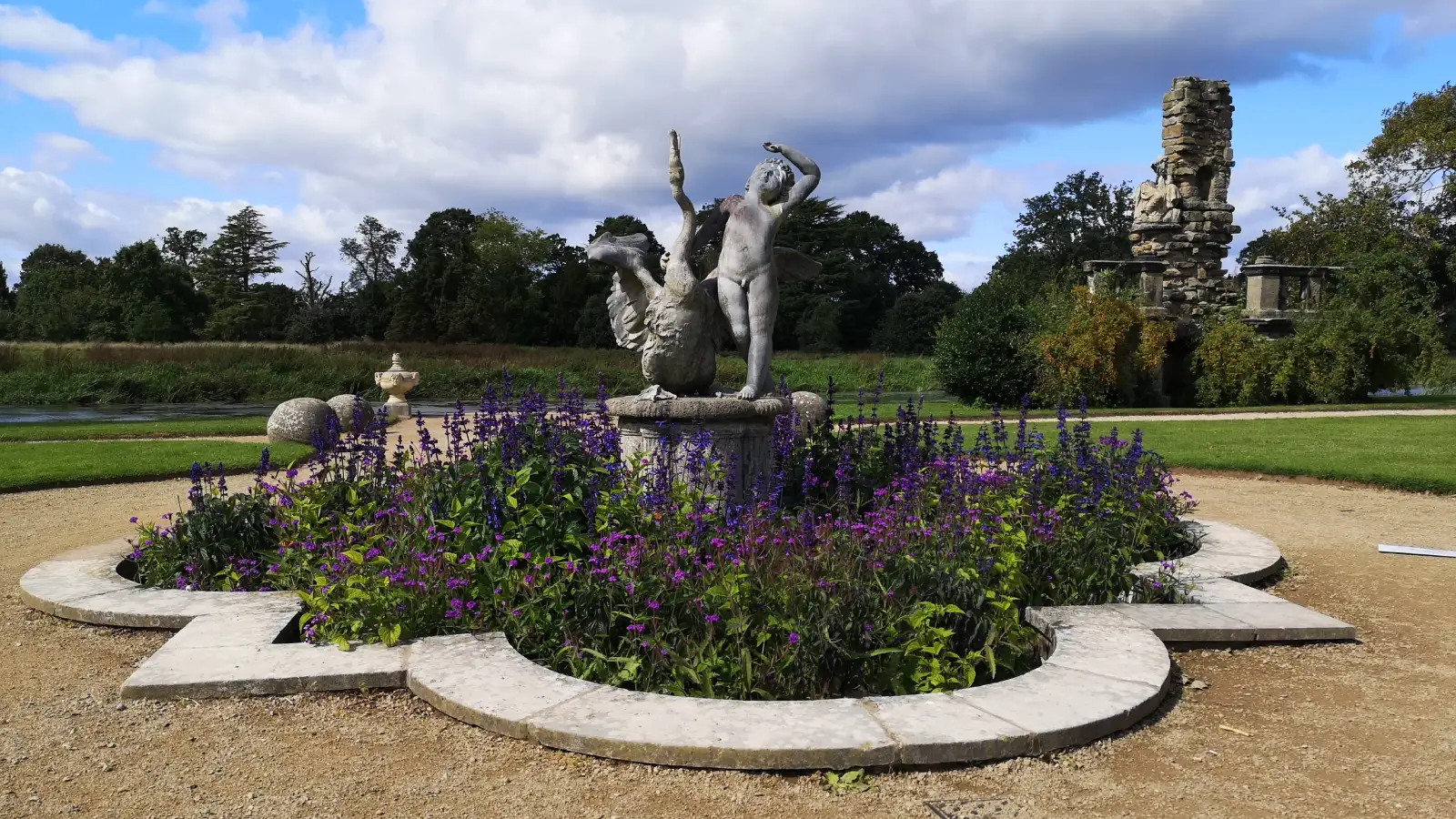
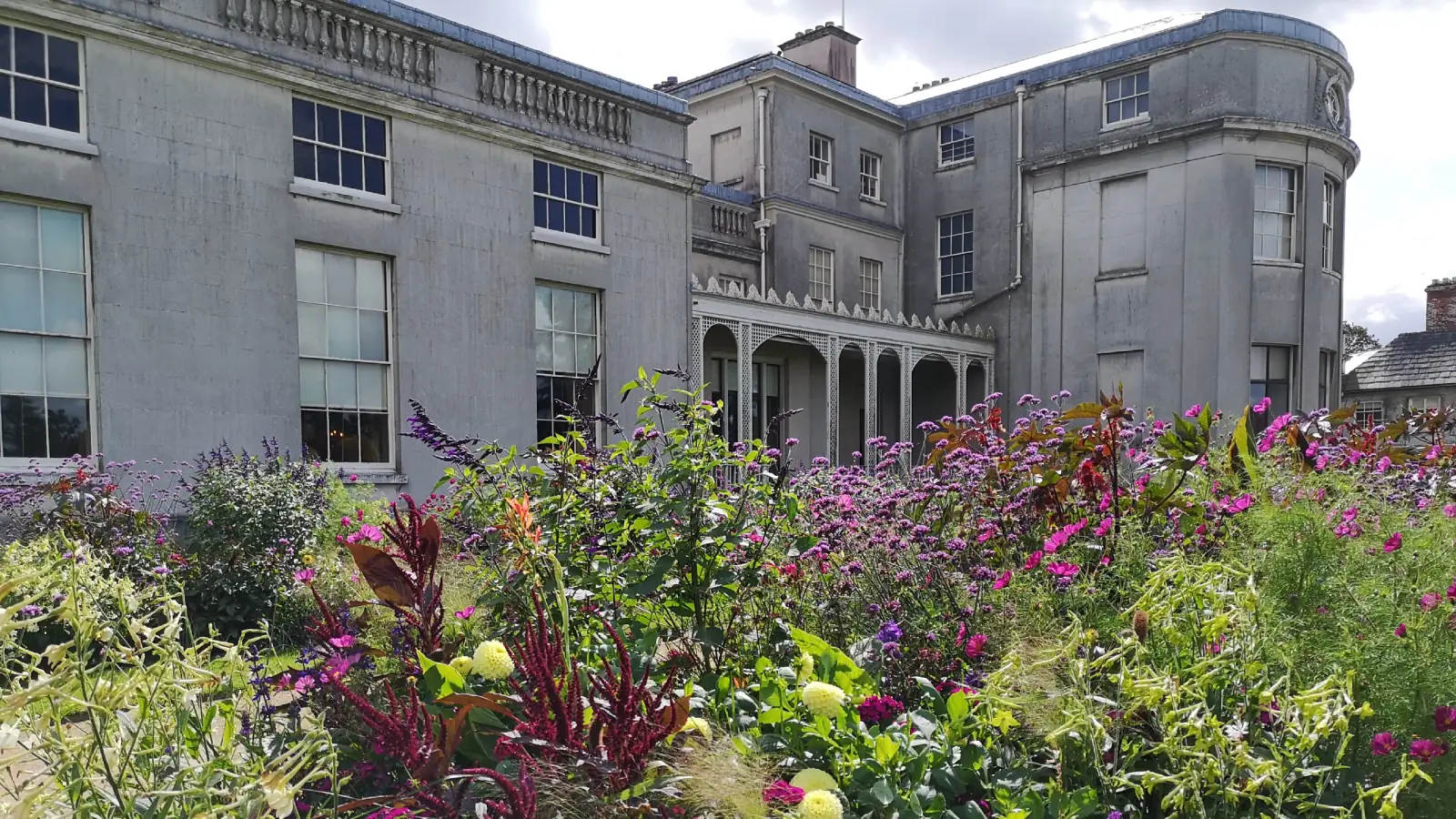
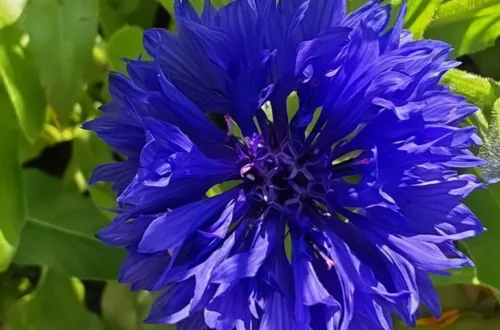
During my first visits to Shugborough Estate, I was captivated by the colours and variety of the flowers, which created an almost painterly composition. It was only once my eyes had had their fill of their beauty that I began to notice that this place also harbours another kind of beauty — the beauty of the buildings and the history associated with them. And since I’ve already mentioned the beauty of the vegetation at Shugborough Estate, I’ve included a few photos of that beauty below.
The origins of the estate and the admiral who sailed around the world
The history of the estate begins with William Anson, who built a modest two-storey brick house here in the 18th century. However, the fortunes of the family were transformed by his relative — Admiral George Anson, a naval hero and one of the most important sailors of his time. His voyage around the world brought him fame, wealth and influence, which enabled him to transform Shugborough Estate into a residence of European grandeur.
It was thanks to him that the estate began to grow, and subsequent generations of the Ansons continued this vision, adding new wings, gardens and ornamental structures.
Architecture that has evolved over the centuries
The architecture of Shugborough Estate is the result of the work of several outstanding architects, who over the years gave the estate an increasingly complex and stately character. The first of these was
Thomas Wright
,
whose design for the side wings in 1748 introduced symmetry and elegance to the mansion, laying the foundations for all subsequent alterations.
Around 1768,
James ‘Athenian’
Stewart
contributed to the estate’s development.
Fascinated by antiquity, the architect introduced classical elements inspired by Greek architecture, lending the whole a lightness and proportions typical of the Enlightenment era. His interventions subtly yet distinctly altered the character of the residence.
However, the most visible alterations to this day are those carried out by
Samuel Wyatt
between 1790 and 1806. It was he who enlarged Wright’s wings, aligned them with the main body, added a monumental Ionic portico and gave the façade a distinct, horizontal rhythm, which became the residence’s hallmark. The interiors combine Rococo and Neoclassical decorations, with the dining room standing out in particular, featuring a stucco ceiling by Vassalli based on a painting by Guido Reni.
The origins of the estate and the admiral who sailed around the world
The history of Shugborough Estate is inextricably linked to the Anson family, who, from the 18th century onwards, shaped both the appearance of the estate and its significance. The most important figure of this period was
George Anson,
a Royal Navy officer who became famous for the British fleet’s first successful circumnavigation of the globe. His expedition of 1740–1744 brought him immense prestige, and the wealth he acquired during it formed the basis for the expansion of the family residence.
Upon his return from the expedition, Anson became one of the most influential figures in the British Navy. His career, culminating in the title of First Lord of the Admiralty, had a direct impact on the estate’s development. It was thanks to him that Shugborough began to transform from a country house into a stately estate designed to reflect the family’s status and ambitions.
At the same time, his brother,
Thomas Anson,
a man with wide-ranging artistic and travel interests, played his own part. It was he who gave the estate a more intellectual and aesthetic character, introducing elements of classicism, art collections and inspirations drawn from the Grand Tour. Together, they laid the foundations for the subsequent expansion that shaped Shugborough into the form we know today.
Shugborough Estate – a film introduction
This film serves as a natural complement to the story of the Anson family’s origins. It offers a broader perspective on Shugborough Hall — both as a country house and as a place that has, over the centuries, brought together history, art and everyday life. It provides a visual foretaste of what lies ahead in the following sections of this post.
Film description: The home of Patrick Lichfield – Queen Elizabeth II’s photographer
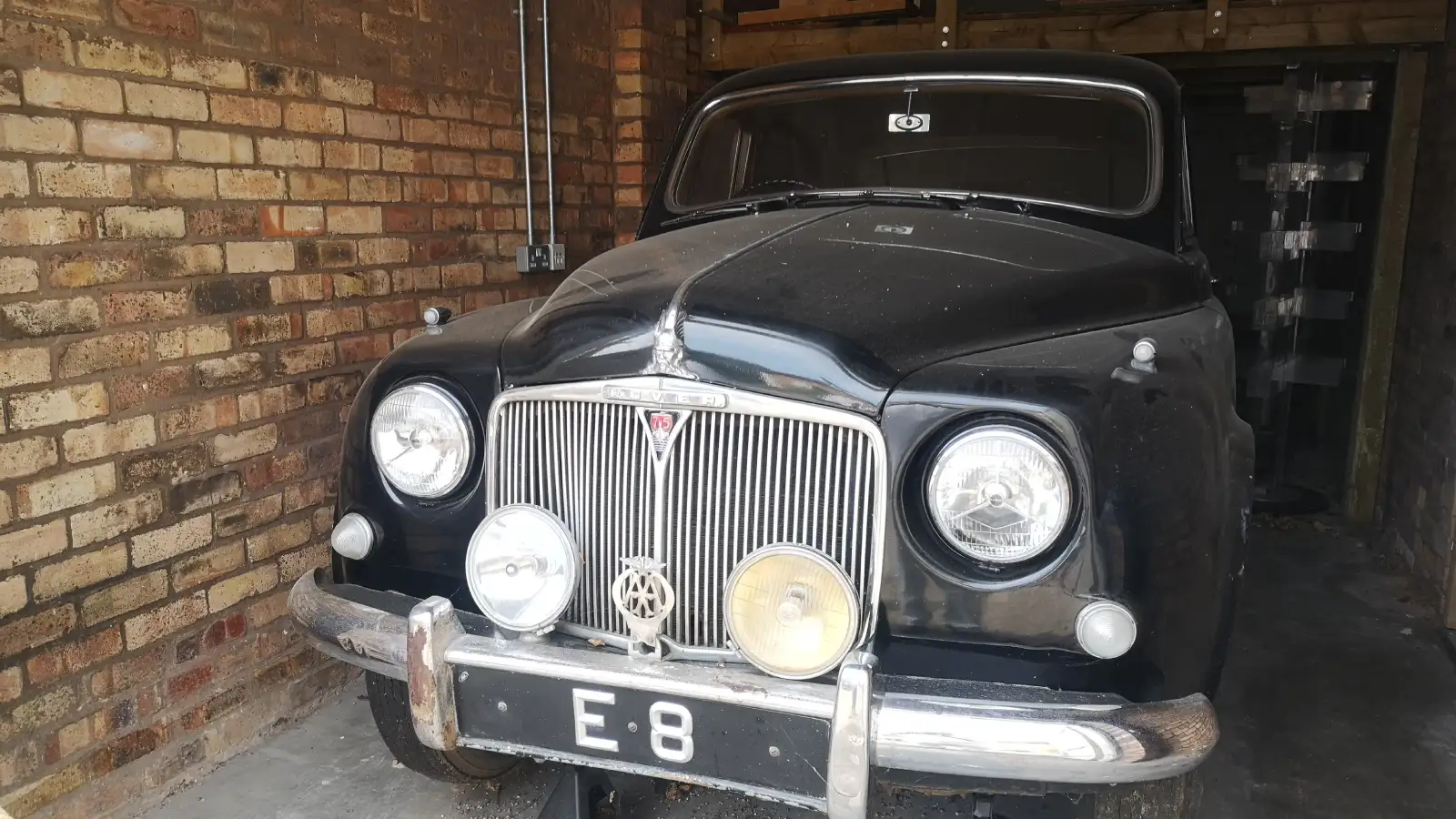
The film showcases Shugborough Hall in Staffordshire. The footage begins with exterior views: the classical façade of the mansion and the gardens with blooming irises and daffodils. The camera looks inside the richly decorated interiors. We see ceilings with white stucco work depicting Roman chariots and deities. The walls are adorned with huge oil portraits in gilded frames and antique mirrors. The rooms contain antique furniture (chests of drawers, writing desks), display cabinets with porcelain, Chinese garden stools and a golden punch bowl. The film also shows the artist’s private life, including his cameras and photographs. Finally, the utility areas are shown: the old kitchen with rows of copper pots, the laundry room, and a vintage black Rover car in the garage.
Video Description: The home of Patrick Lichfield – Photographer to Queen Elizabeth II
The video showcases the Shugborough Hall estate in Staffordshire. It opens with exterior views of the neoclassical mansion and gardens filled with blooming irises and daffodils. The tour moves indoors to grand rooms featuring elaborate white stucco work on ceilings depicting Roman chariots and deities. Walls are adorned with massive oil portraits in gilded frames and ornate mirrors. The rooms contain antique furniture (chests of drawers, desks), porcelain displays, Chinese garden seats, and a golden punch bowl. The footage highlights Patrick Lichfield’s personal memorabilia, including his cameras and photographs. Finally, the video explores the service areas: a historic kitchen with rows of copper pots, a laundry room, and a vintage black Rover car in the garage.
The gardens and parks of Shugborough Estate
The gardens and parks of Shugborough Estate form one of the most varied landscapes in Staffordshire. They range from formal flowerbeds and geometric layouts to vast meadows that blend seamlessly into the landscape park. It is a space designed to combine aesthetics with natural beauty, in keeping with the spirit of 18th-century garden philosophy.
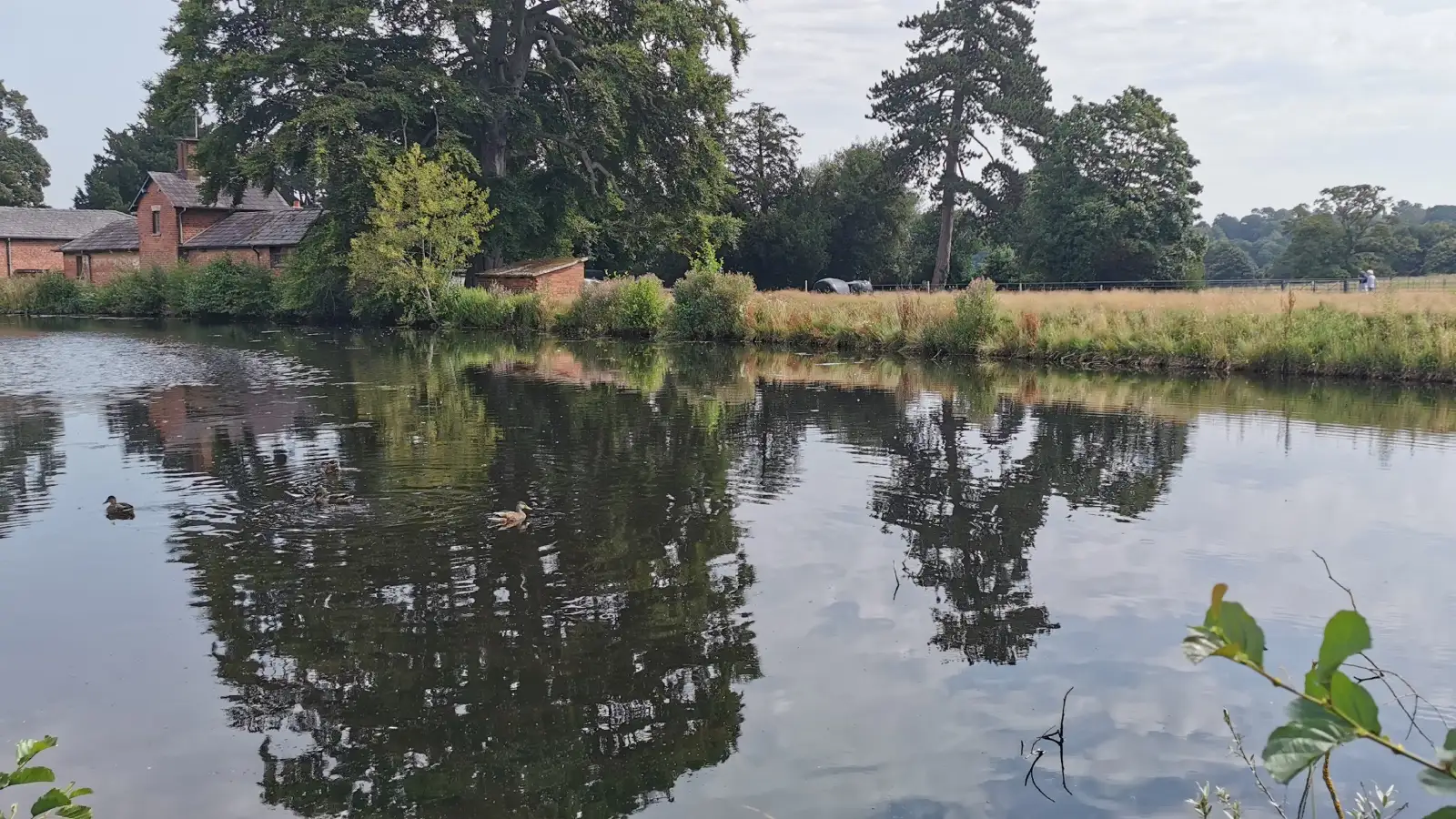
Along the River Sow lie the wilder sections of the garden, where vegetation grows more freely and paths lead through shady nooks and open glades. This contrast between the formal and natural sections was intentional — it was meant to symbolise the harmony between culture and nature, so highly valued during the Age of Enlightenment.
Numerous vantage points also play a special role here, each of which has been designed to reveal a different part of the estate. It is thanks to these that Shugborough can be explored slowly, step by step, observing how the perspective changes and how the architecture harmonises with the surrounding landscape.
The Shepherd’s Monument and the ‘O.U.O.S.V.A.V.V.’ riddle
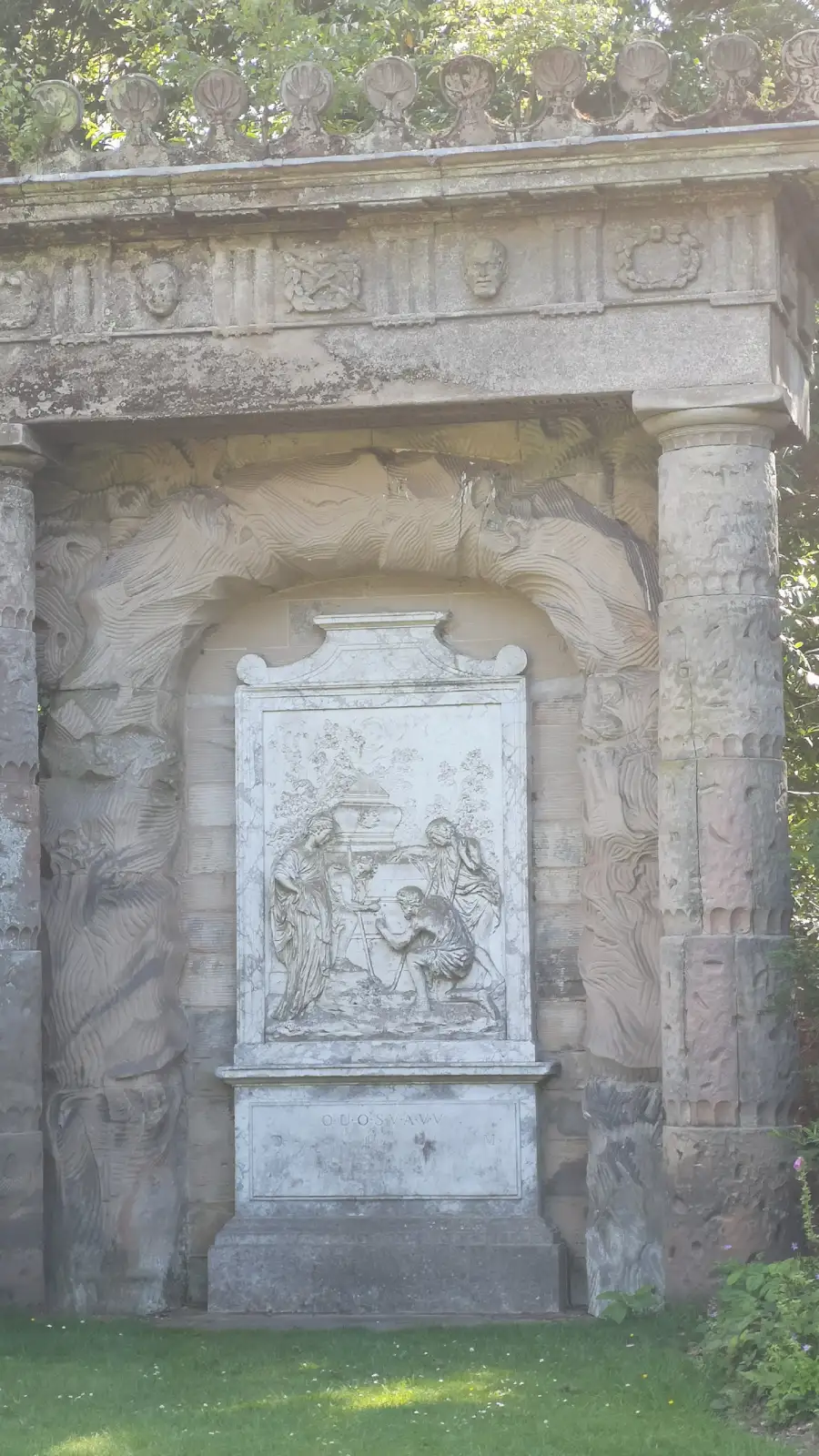
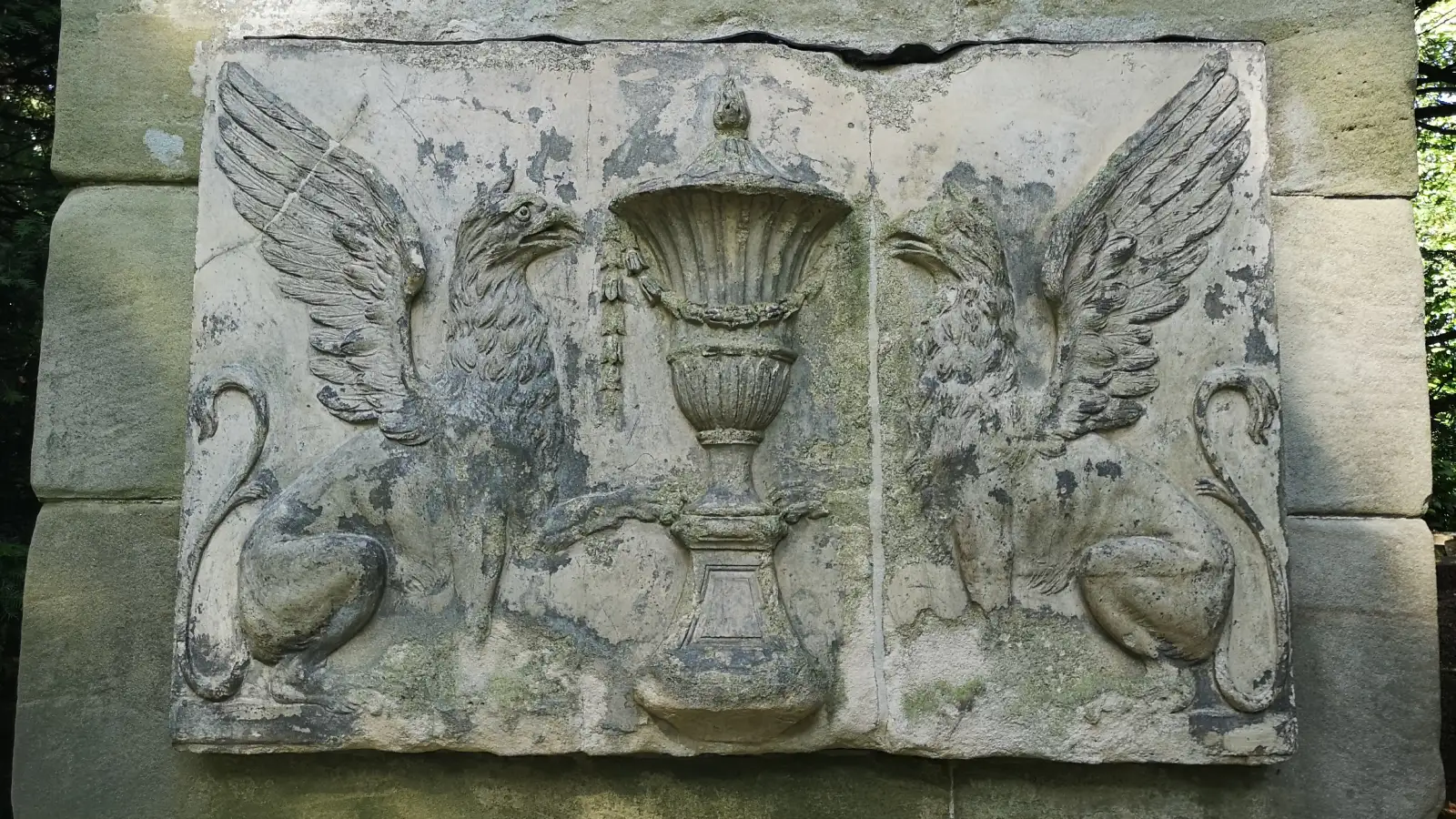
One of the most enigmatic features of the Shugborough Estate is the Shepherd’s Monument, a small but highly intriguing structure built in the mid-18th century. Its central motif is a relief inspired by Nicolas
Poussin’s painting
*Et in Arcadia ego*, depicting shepherds bent over a mysterious inscription on a tomb.
Beneath the relief lies the famous inscription “O.U.O.S.V.A.V.V.”, the meaning of which has yet to be unequivocally explained. Over the years, numerous theories have emerged — ranging from simple acrostics and love ciphers to speculations linking the monument to legends of the Knights Templar and the Holy Grail. None of them, however, has been confirmed, which only adds to the aura of mystery.
The monument, though small, has become one of the estate’s most recognisable symbols. Its location in the garden, away from the main residence, means one discovers it almost by chance, which reinforces the impression of encountering something hidden and not entirely understood.
Monuments in the landscape park
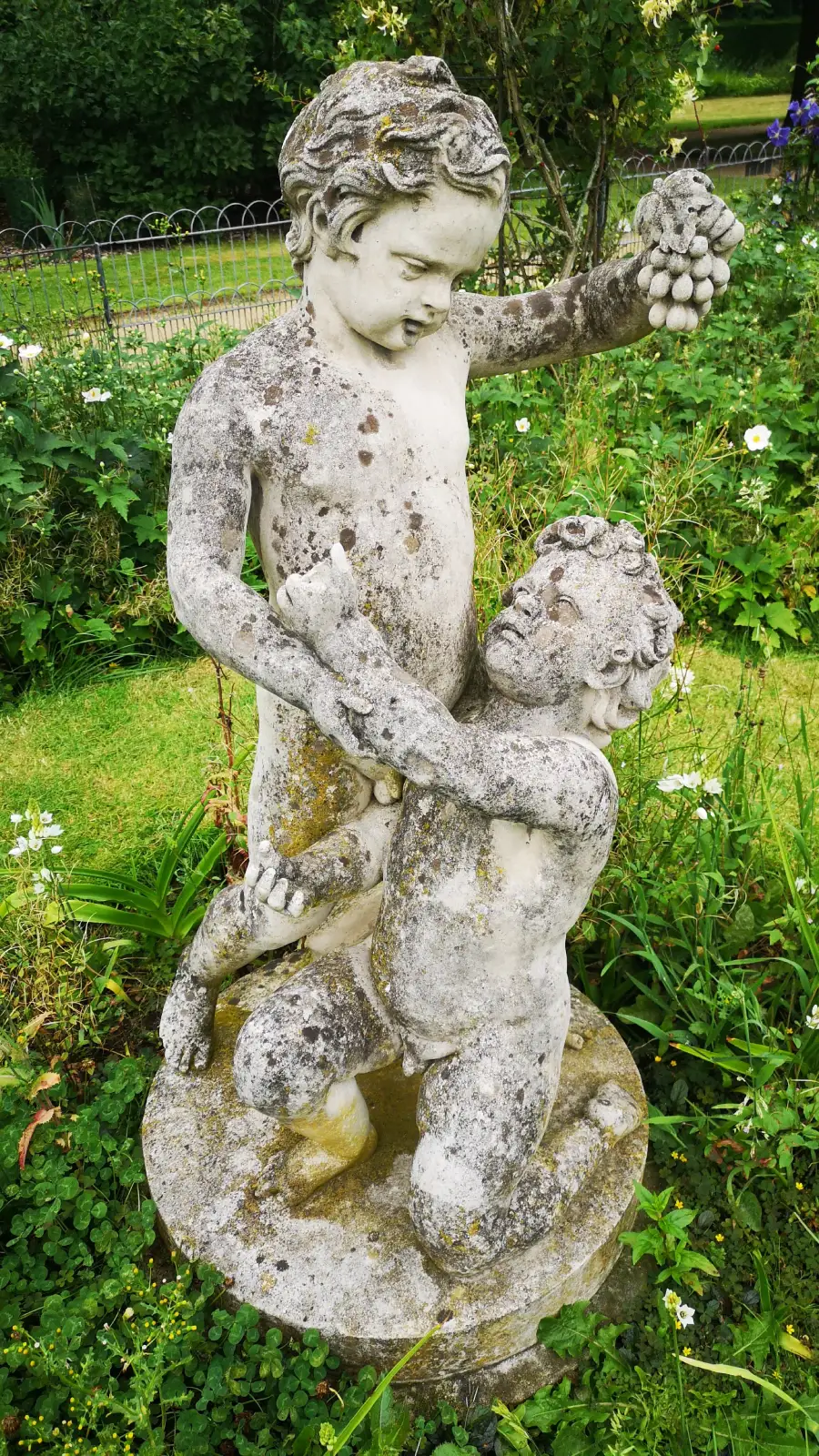
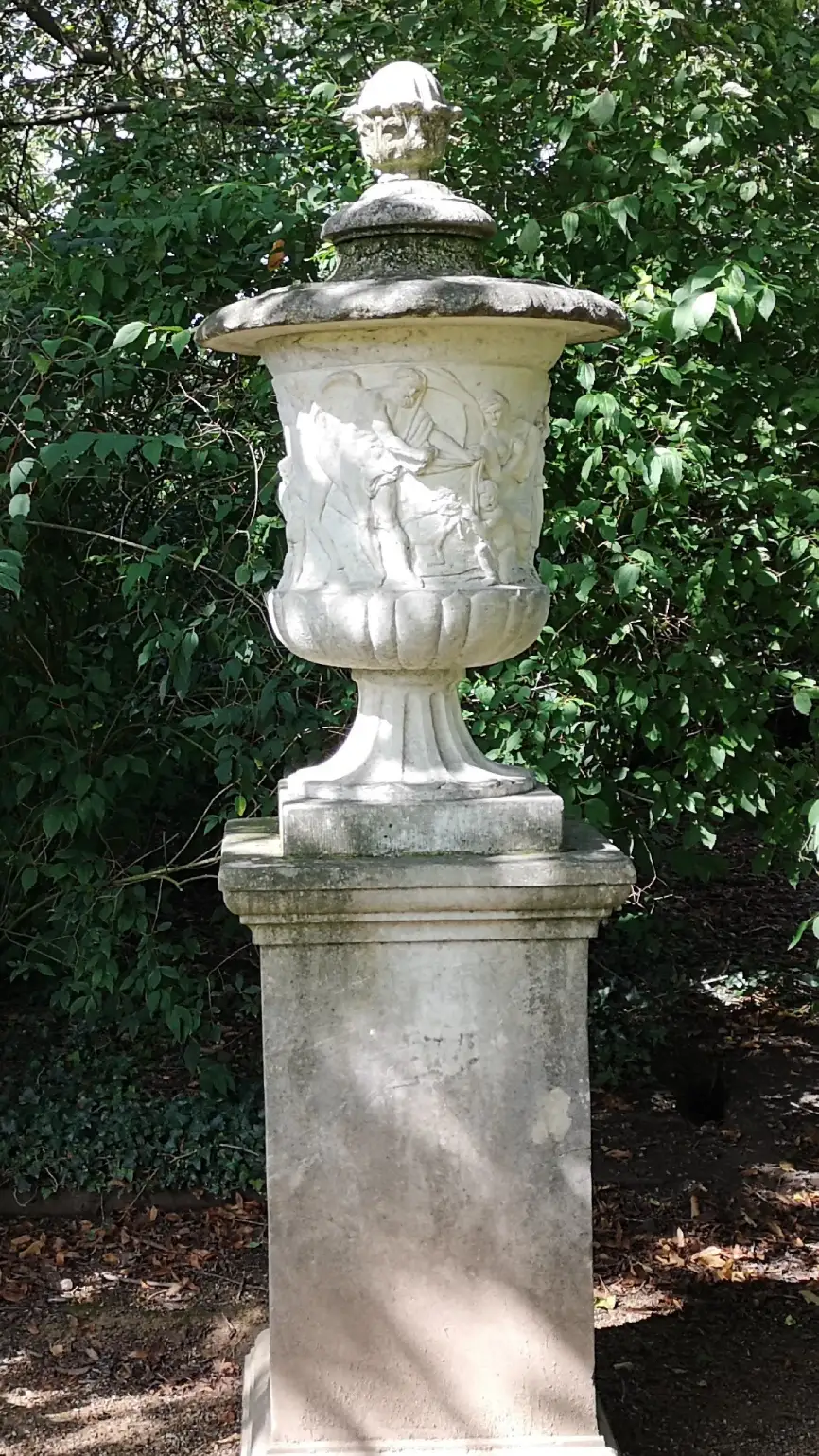
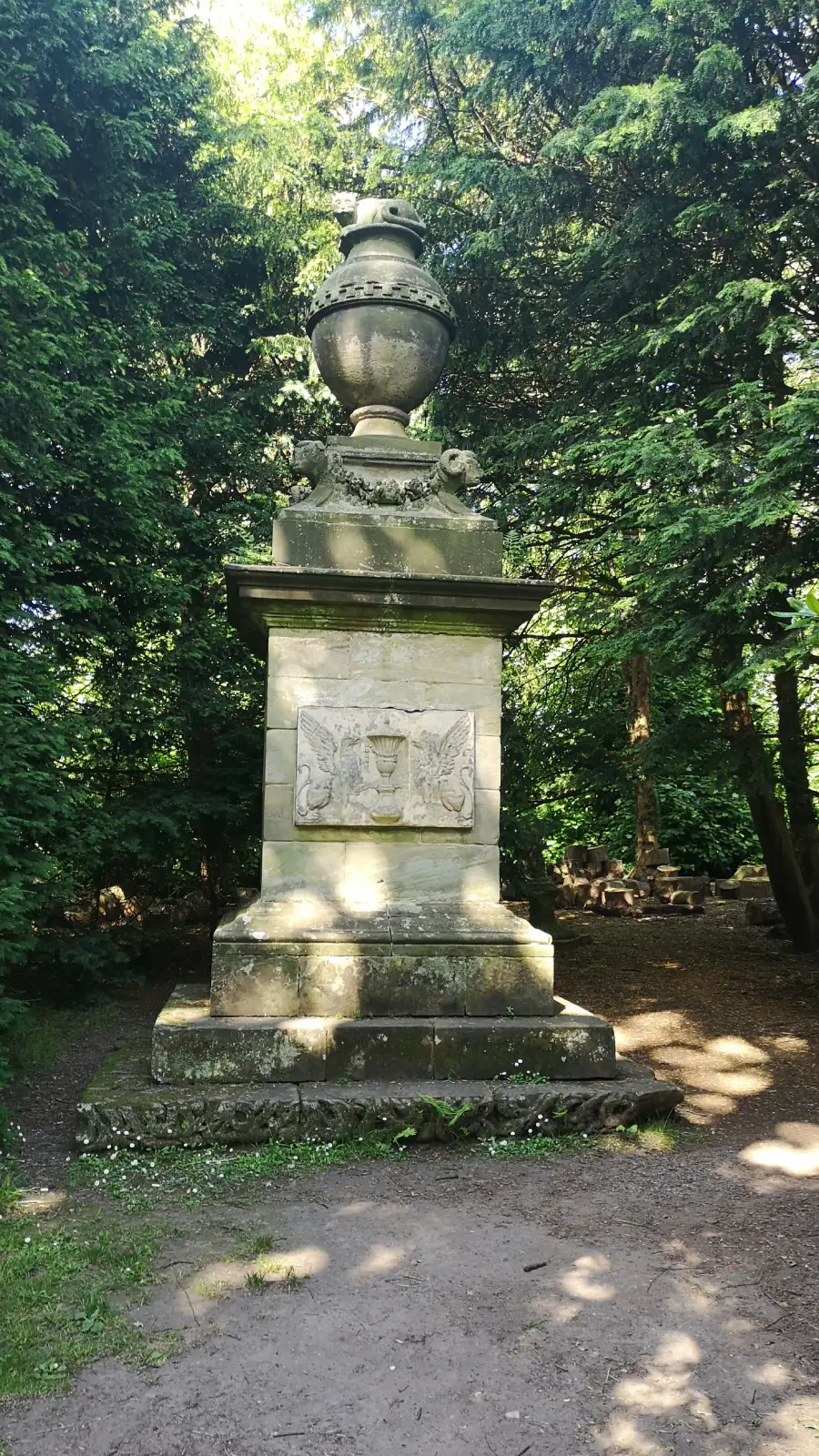
Shugborough Estate Landscape Park is full of so-called ‘monuments’ — small structures designed to lend the landscape a symbolic and intellectual character. They were mainly built in the 18th century, when such features were particularly fashionable amongst the British aristocracy. Each served a different purpose: aesthetic, philosophical or purely decorative.
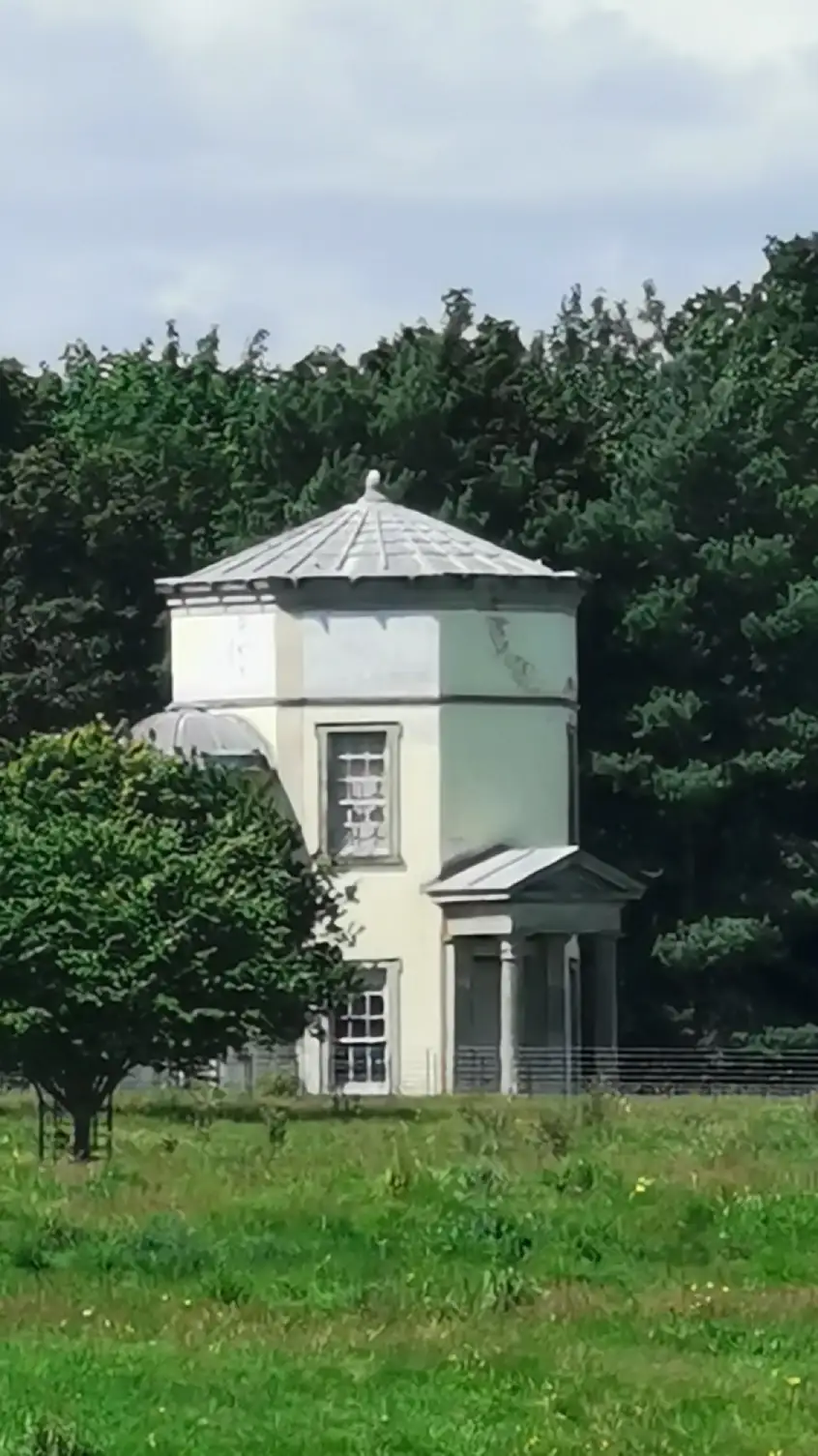
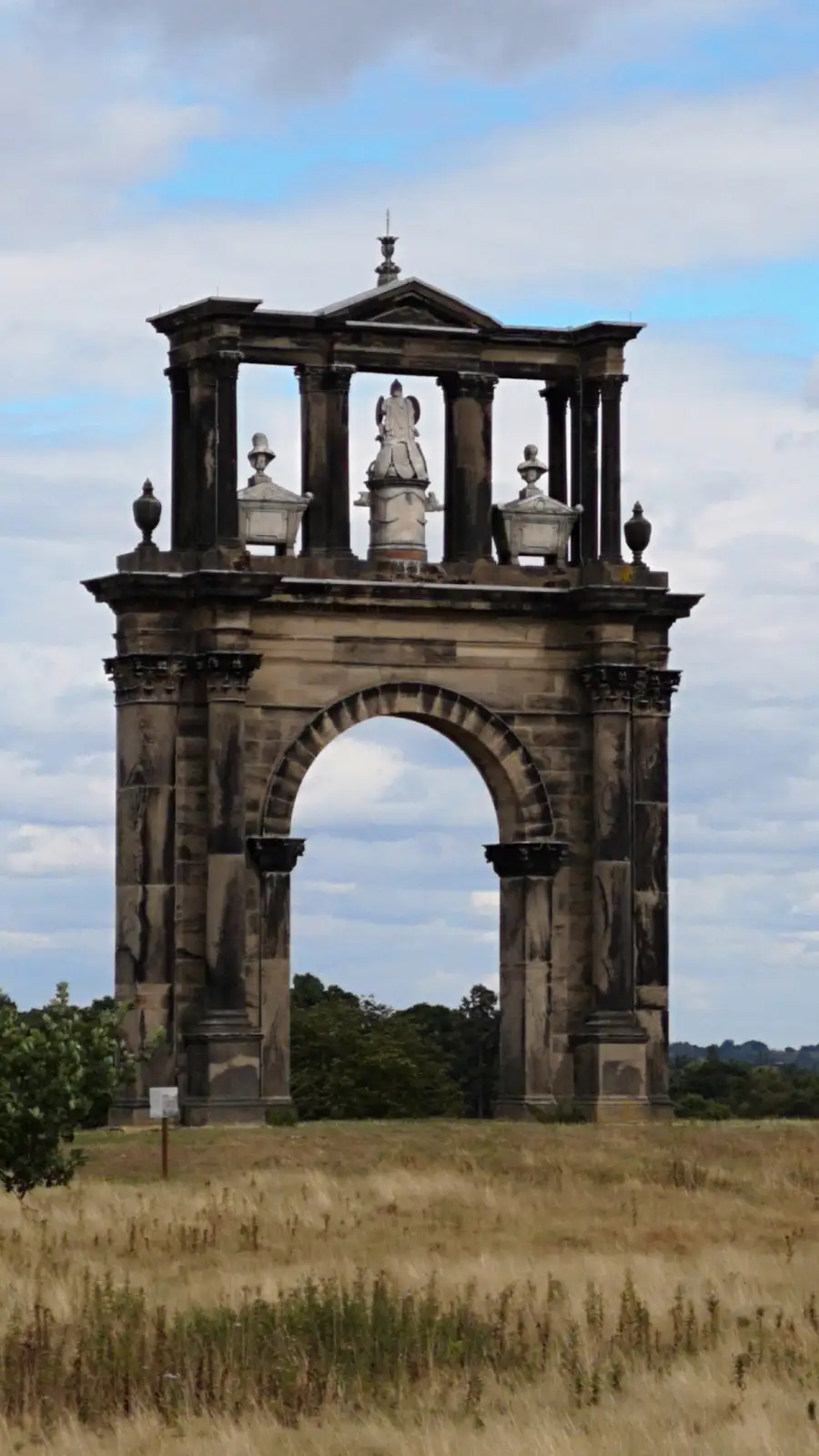
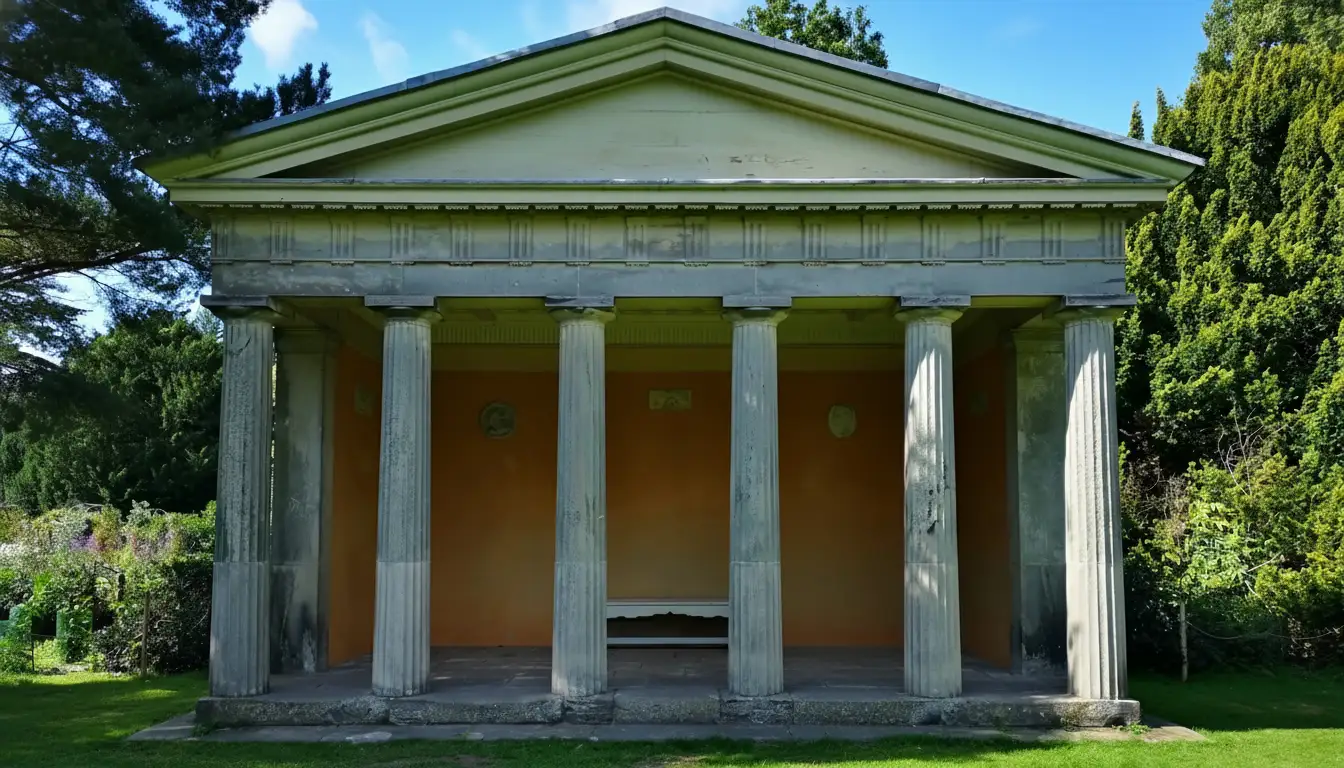
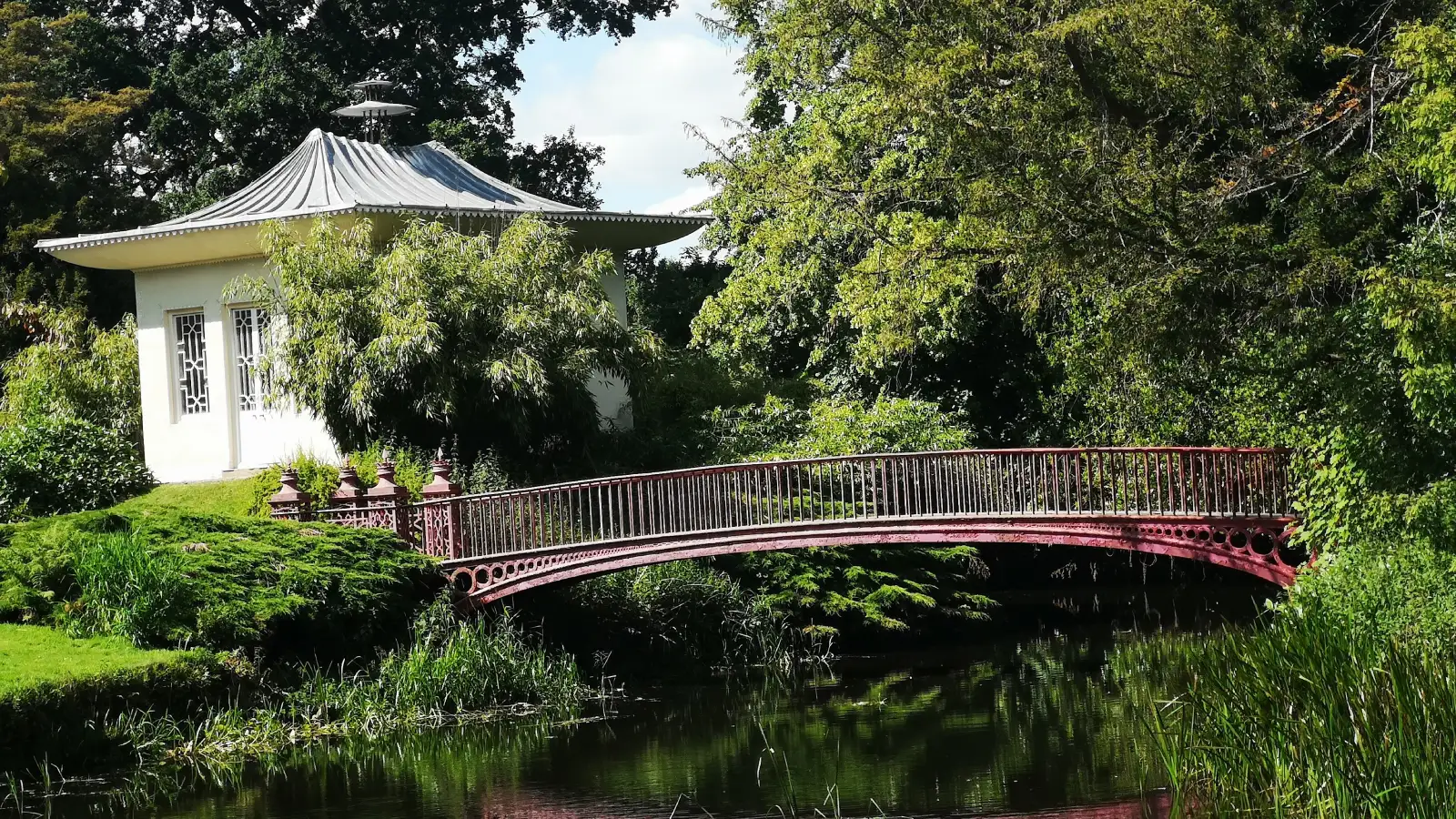
Among the most important structures are the Tower of the Winds, ruins styled to resemble ancient ruins, a Chinese bridge and numerous viewing pavilions. Their placement was not random — they were intended to create a sequence of impressions, guiding the visitor through successive landscape ‘scenes’, in accordance with the principles of landscape garden design.
The monuments at Shugborough bear witness to an era in which travel, art and philosophy intertwined in the lives of the elite. They also demonstrate how strongly the Anson family wished to imbue their estate with the character of a place that was not only beautiful but also intellectually inspiring.
Patrick Lichfield – an aristocrat with a camera and the last lord of Shugborough
Patrick Lichfield, or rather Thomas Patrick John Anson, 5th Earl of Lichfield, was one of the most recognisable figures in 20th-century British photography. Although he was born into an aristocratic family, it was photography that became his true calling. He worked for the most prestigious fashion magazines, and his style combined elegance with naturalness, setting him apart from other photographers of the era.
Shugborough Estate was a special place for him. Although he spent most of his life in London and travelling the world, it was here that he returned to rest and work in a more intimate atmosphere. The estate was the setting for his private photographs, as well as some of the sessions he carried out for famous personalities.
Lichfield left behind a rich artistic legacy, and his connection to Shugborough remains evident to this day. His presence has given the estate a contemporary dimension, linking the history of the Anson family with modern culture and the art of photography.
Links to the royal family
Patrick Lichfield had close ties to the royal family not only professionally but also through family connections — he was a cousin of Queen Elizabeth II. This gave him access to the court in a way that allowed him to create photographs that were more natural and intimate than typical official portraits. His relationship with the monarch and her entourage was based on trust, which is evident in the candid shots that became his trademark.
Lichfield was the official photographer at the wedding
of Prince Charles and Diana Spencer
in 1981 — an event watched by the whole world. He also photographed
Princess Margaret, Princess Anne
and many other members of the royal family.
Less formal portraits of royal guests were also taken in the gardens of Shugborough Estate. The natural light, classical elements of the landscape and the relaxed atmosphere of the estate allowed Lichfield to capture them in a more human and spontaneous way. It is these photographs that best demonstrate his talent for combining elegance with authenticity.
Patrick Lichfield’s private rooms and the care of the National Trust
Following his father’s death, Patrick Lichfield inherited Shugborough Estate; however, high inheritance taxes made it impossible to maintain the property. As a result, the estate was transferred to the care of the National Trust,
which took over responsibility for its conservation and opening it to the public. Thanks to this, the mansion has been preserved in excellent condition and is today one of the region’s most important historic sites.
Lichfield, however, retained the right to use part of the house, including the private apartments on the upper floor. It was there that he worked, rested and stored his cameras, photographs and mementos related to his career as a photographer. These interiors have retained the atmosphere of his life — elegant, yet personal and full of character.
Today, Patrick Lichfield’s private rooms are open to visitors, though photography and filming are strictly prohibited. This is to protect both the delicate furnishings and the private nature of the space. It is one of the most unique places in Shugborough — it allows you to glimpse into the artist’s world, but does not let you take it away with you in the form of an image, only in your memories.
Shugborough Estate, managed by the National Trust
Shugborough Estate came under the care of the National Trust in 1960, when, following the death of the 4th Earl of Lichfield, the estate was transferred to the Trust as part of an inheritance tax settlement. This prevented the estate from being sold and its contents dispersed, and the house, together with its gardens and landscape park, was placed under protection as a monument of exceptional historical value.
Over the following decades, the estate was managed by Staffordshire County Council, which leased it from the National Trust. In 2016, after almost 50 years, management returned directly to the National Trust. This change was intended to ensure stable funding, full conservation of the historic site and the development of visitor facilities. The National Trust took over responsibility for maintaining the house, gardens, park and farm buildings, as well as for organising events and providing historical education.
Today, Shugborough is one of the National Trust’s most important sites in Staffordshire. The organisation carries out extensive conservation work here, ensuring the preservation of the historic interiors, staff quarters, monumental garden structures and the landscape that has evolved over more than three centuries. As a result, the estate remains a living, accessible place that remains true to its history.
What does a tour of the estate include?
A tour of Shugborough Estate takes in both the stately interiors of the house and the extensive grounds surrounding it. The National Trust opens the main house to visitors, with its Rococo and Neoclassical decorations, collections of porcelain, furniture and paintings, and the rooms that for centuries formed the heart of the Anson family’s life. It is a place where the history of architecture and art blends with the everyday life of an aristocratic family.
In addition to the interiors of the mansion, visitors can explore the gardens, the landscaped park and the monumental structures scattered throughout the estate. Each of these elements forms a cohesive whole that reflects the changing tastes and ambitions of successive generations of owners. The park and gardens are open all day, allowing for peaceful strolls and the chance to photograph the most interesting spots.
The staff quarters, Park Farm and numerous educational trails are also an important part of the tour. As a result, Shugborough offers a complete historical experience — from the elegant drawing rooms to the back-of-house areas that kept the mansion running. It is one of the most comprehensive estates in the National Trust’s portfolio.
Servants’ Quarters – preserved servants’ quarters
The servants’ quarters at Shugborough Estate are among the best-preserved in the whole of England. The National Trust has restored them with remarkable attention to detail, allowing visitors to see what daily life was like for those working ‘below stairs’. It is a space that reveals a completely different side to the estate — one that is more practical, bustling and full of activity.
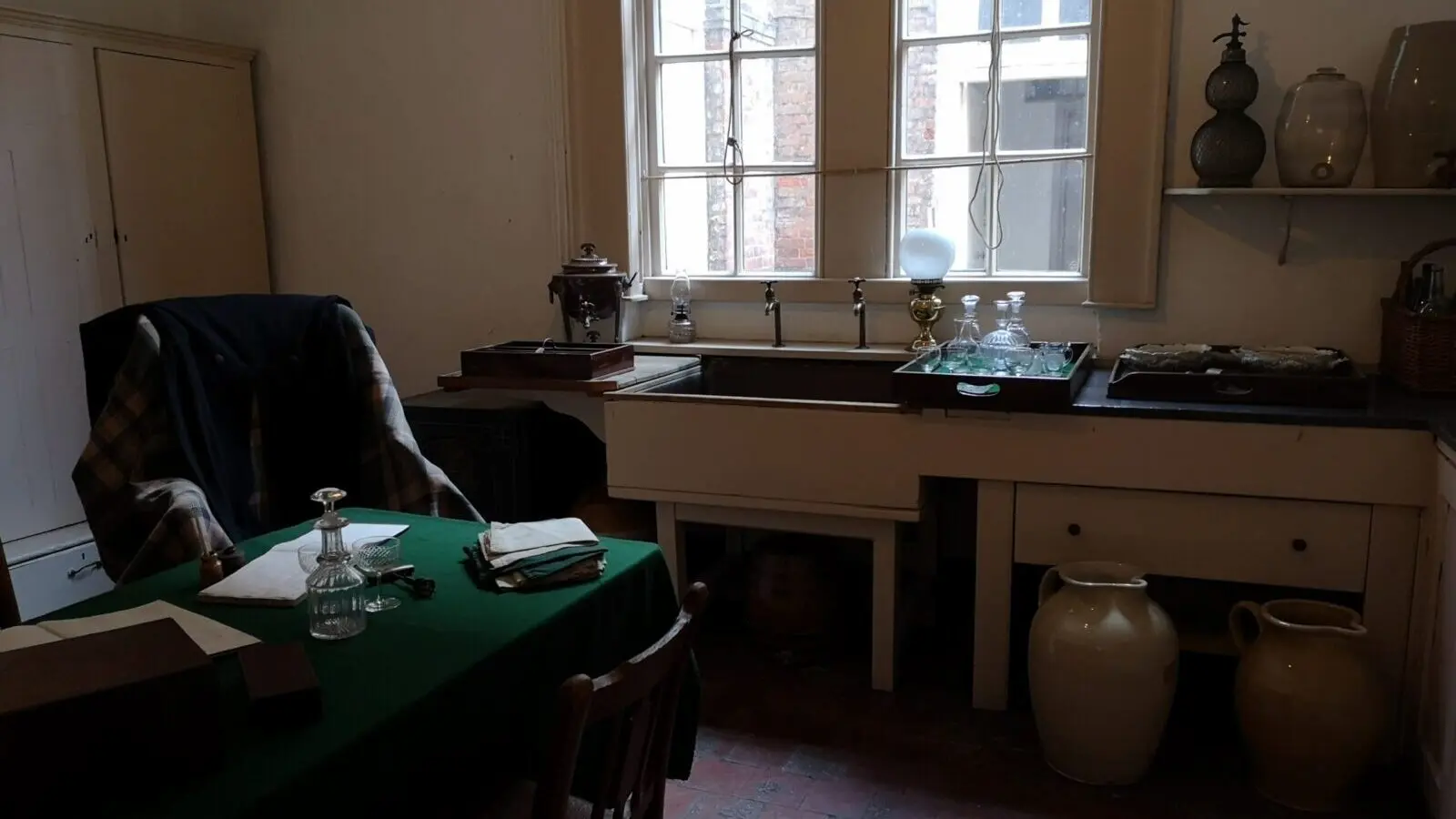
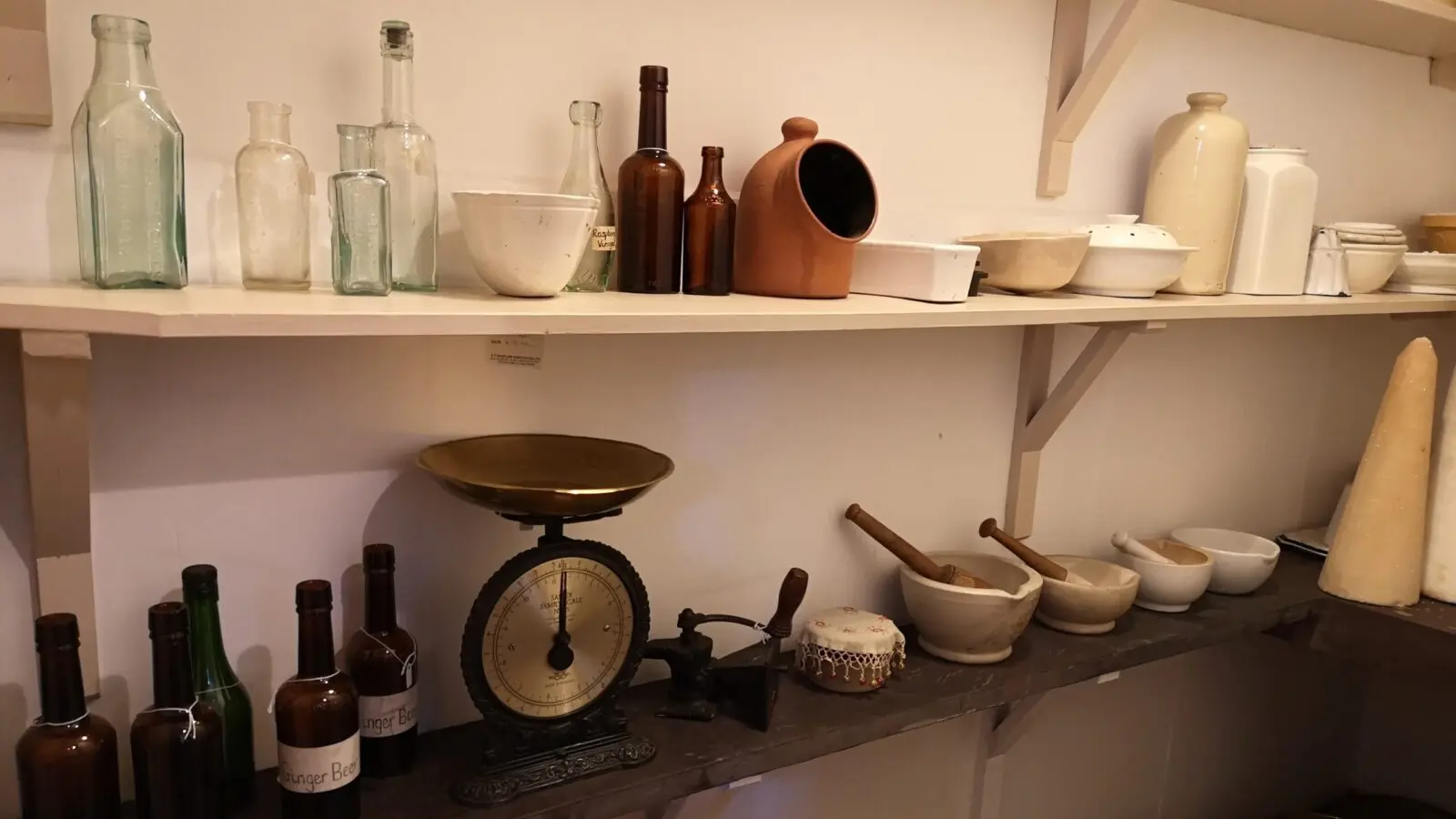
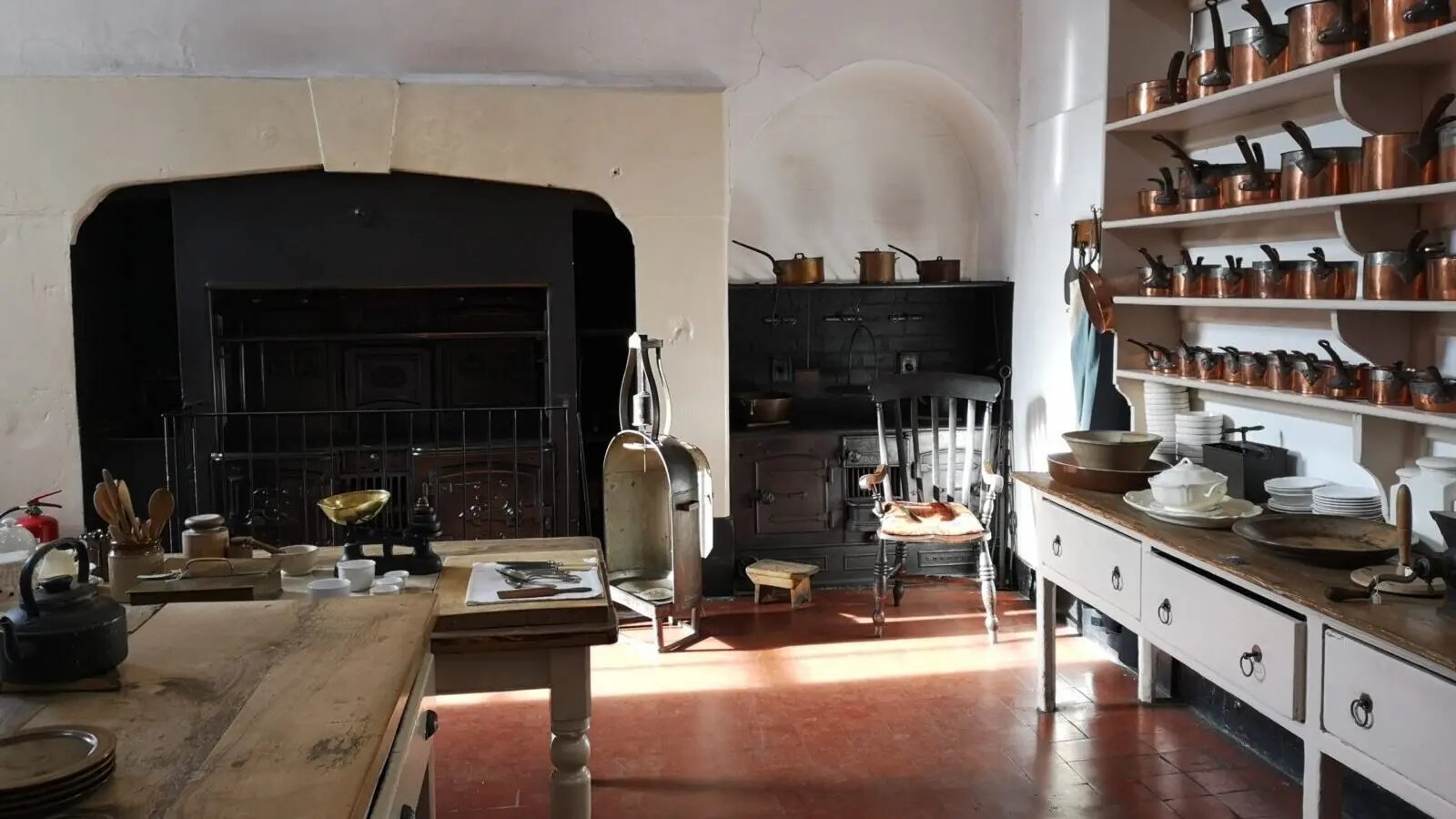
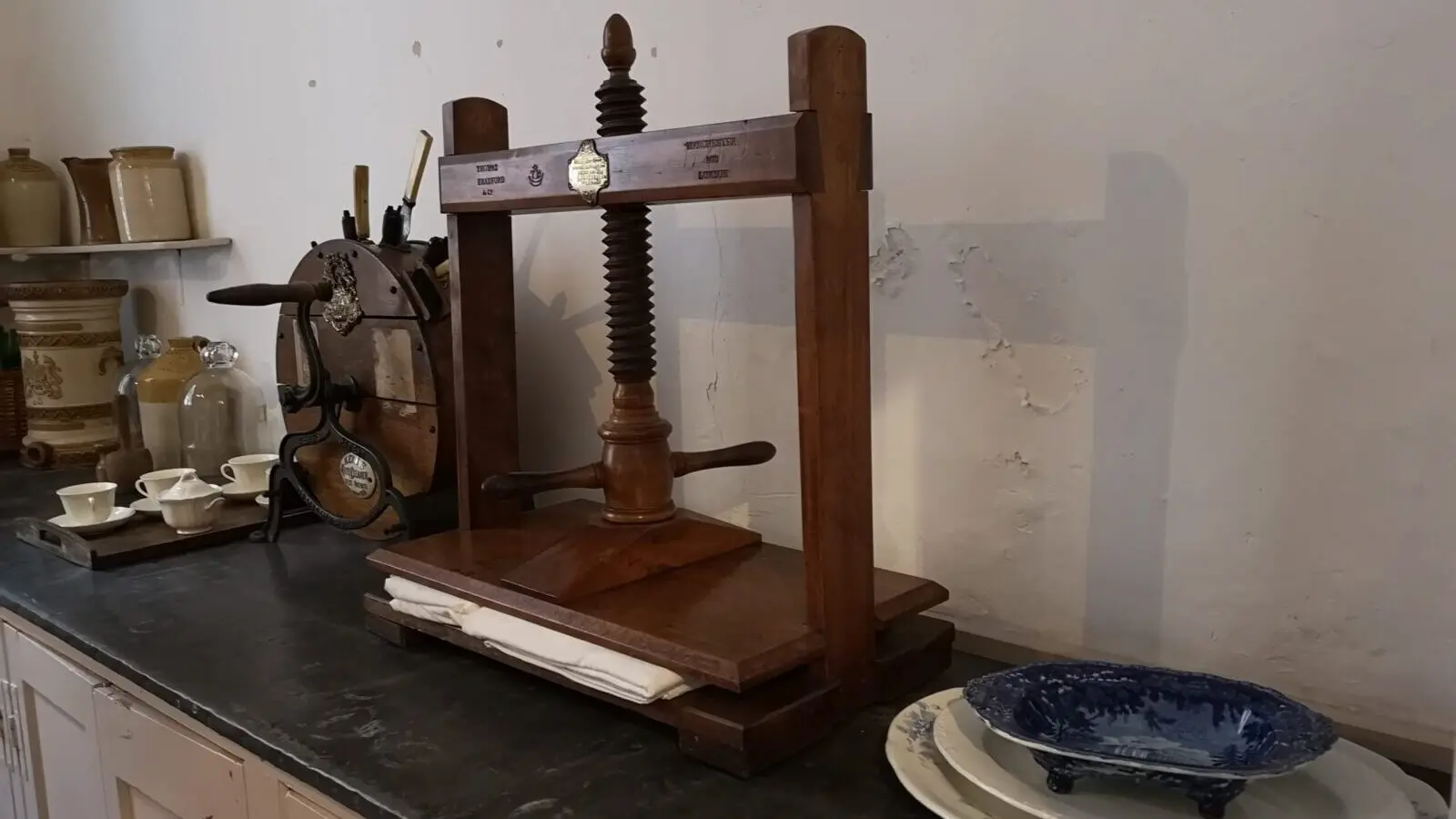
The Servants’ Quarters include, amongst other things, the original kitchen with copper pots, a bakery, a laundry room, pantries and utility rooms. The preserved furnishings, tools and interior layout create an authentic atmosphere of a 19th-century home where the servants worked from dawn until late in the evening. It is a fascinating contrast to the elegance of the main part of the residence.
Visiting this part of the estate provides a better understanding of how the entire property functioned. The Servants’ Quarters are fully accessible to visitors and form an important part of the tour, lending Shugborough a unique historical depth. It is a place that particularly captures the imagination and allows you to experience the rhythm of life from two centuries ago.
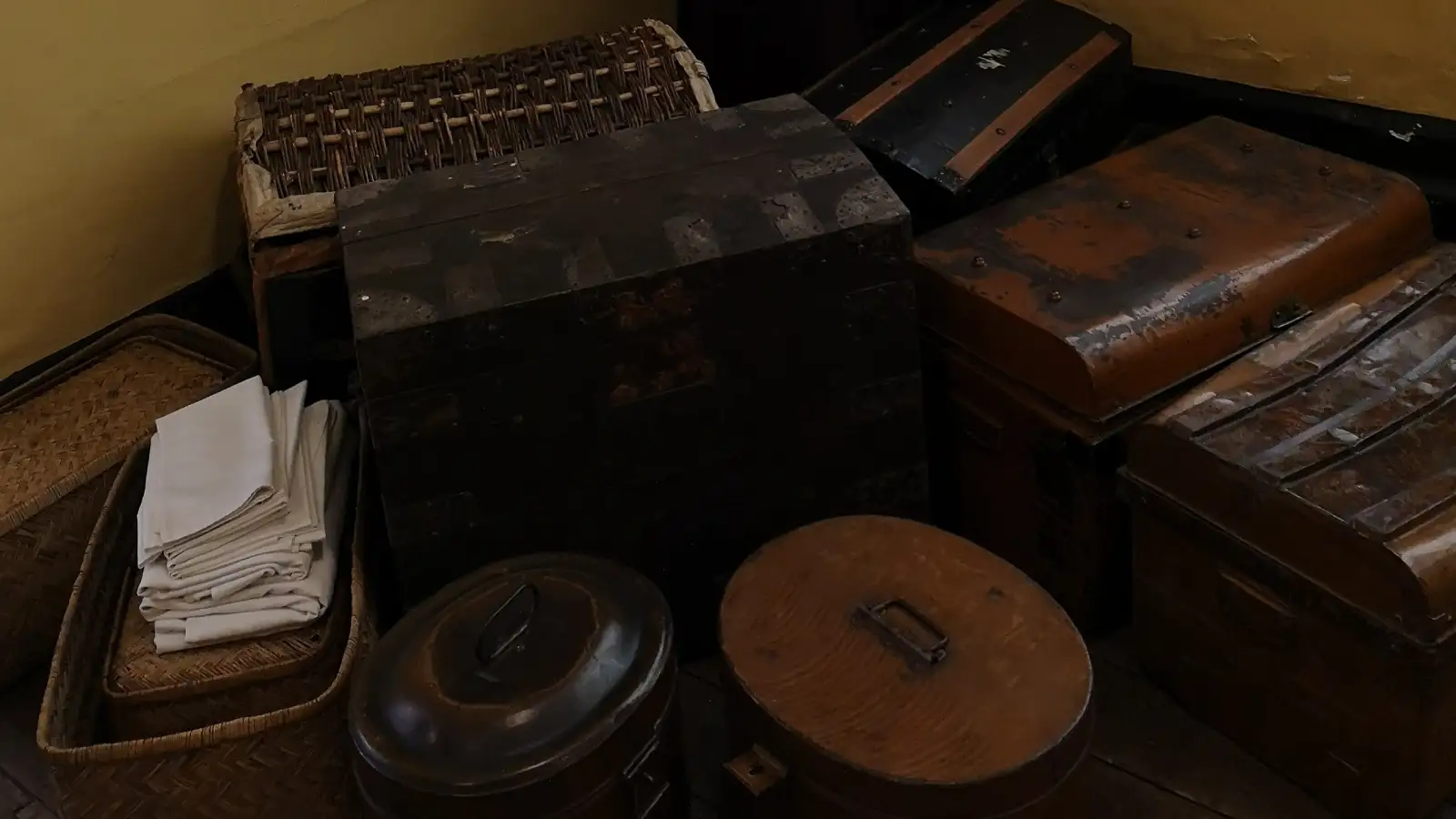
Below are a few photos of this part of the house — places that have retained their historic character and offer a glimpse behind the scenes of life in the mansion.
Farm Park and farm animals
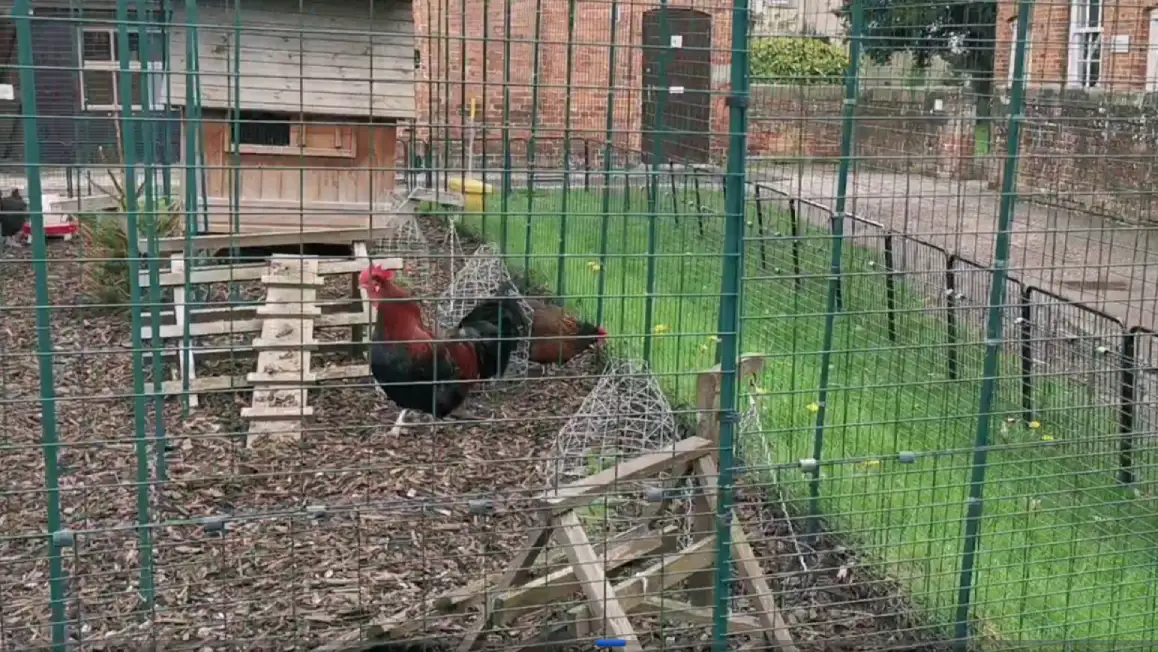
Park Farm is a historic working farm situated within the Shugborough Estate, which the National Trust maintains as a living reminder of life on the estate in days gone by. It is a place where you can see traditional breeds of farm animals typical of English farms from two centuries ago. The farm forms an important part of the estate as a whole and gives visitors an insight into how the estate operated during the Anson family’s time.
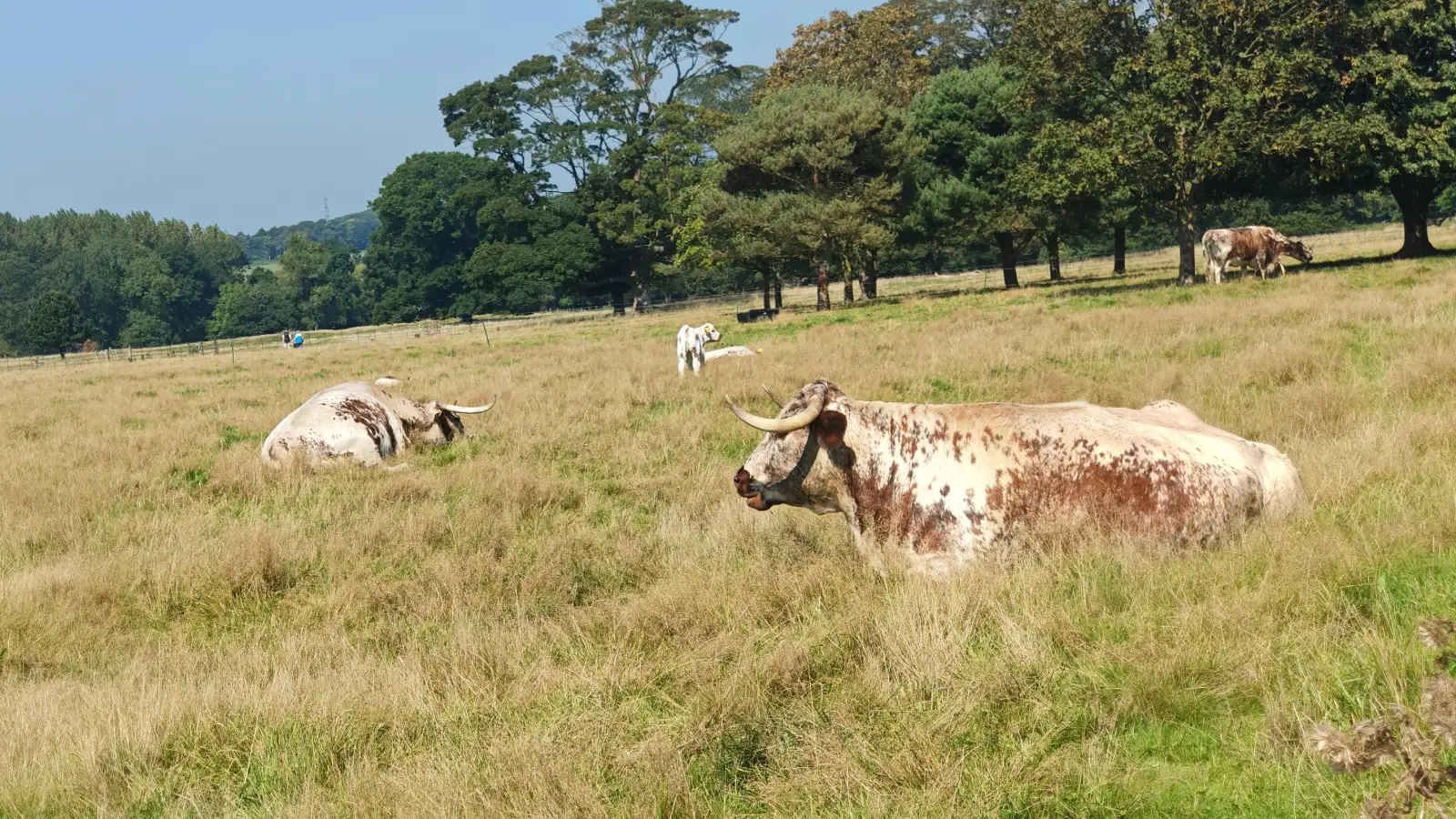
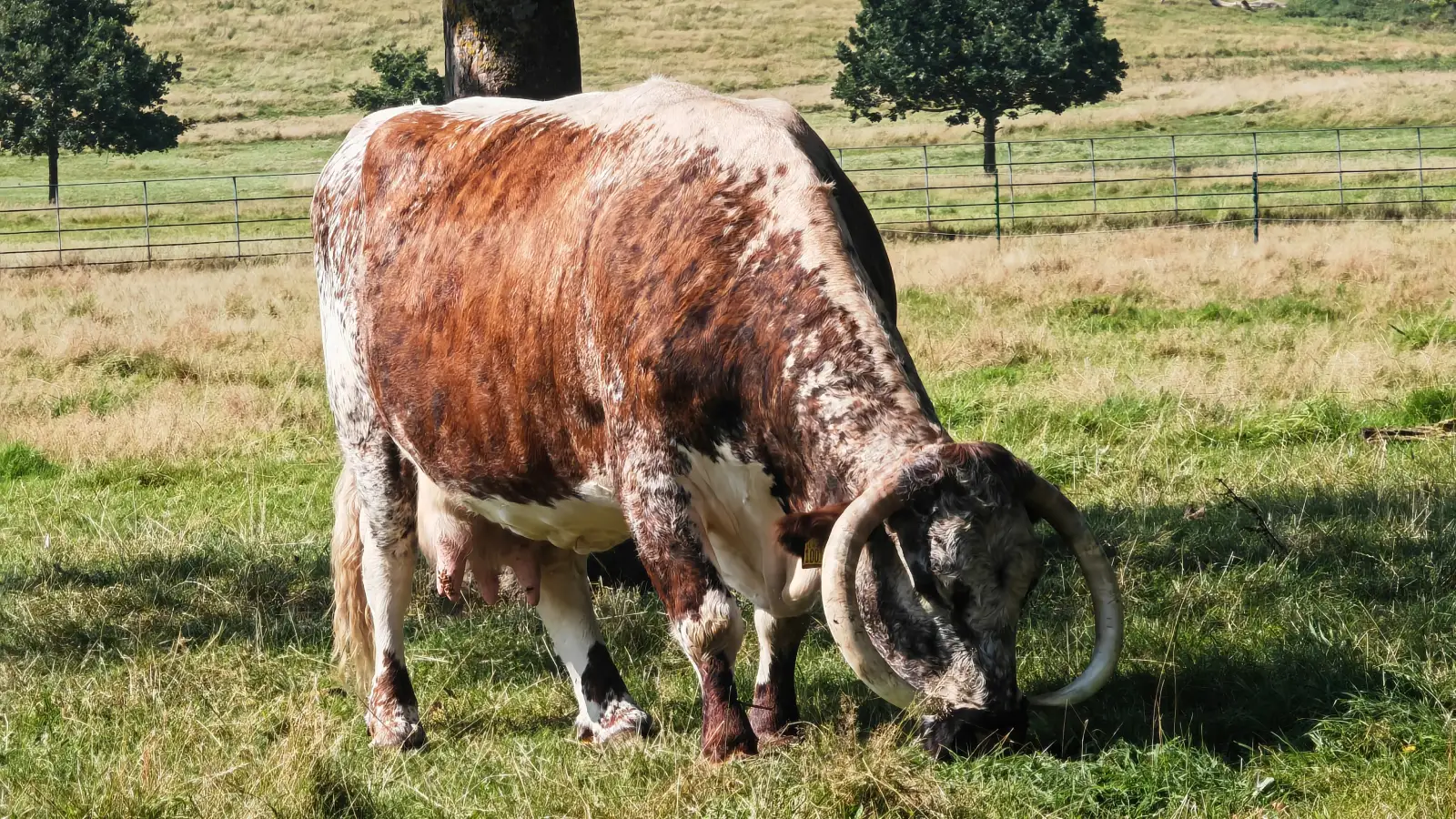
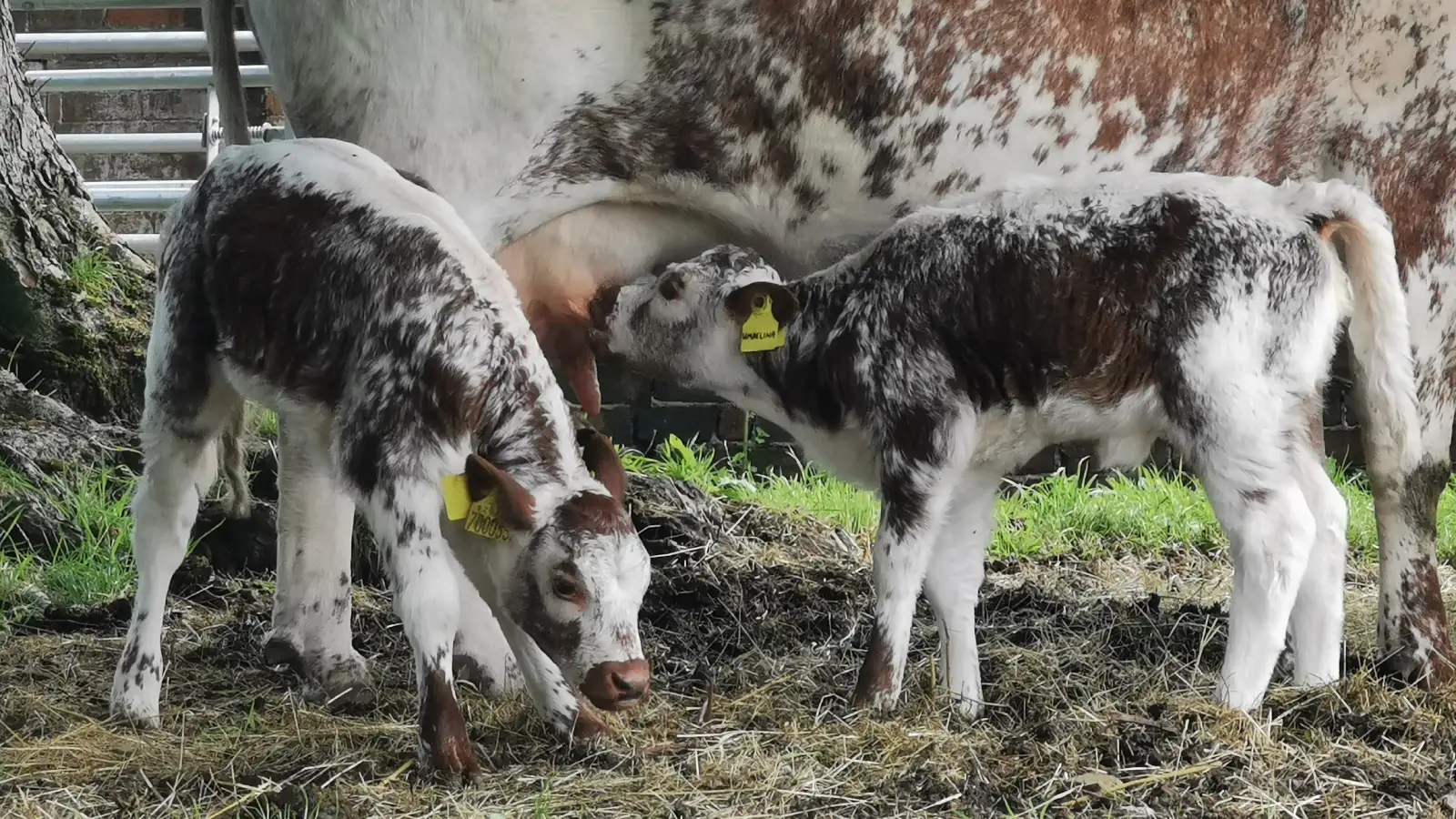
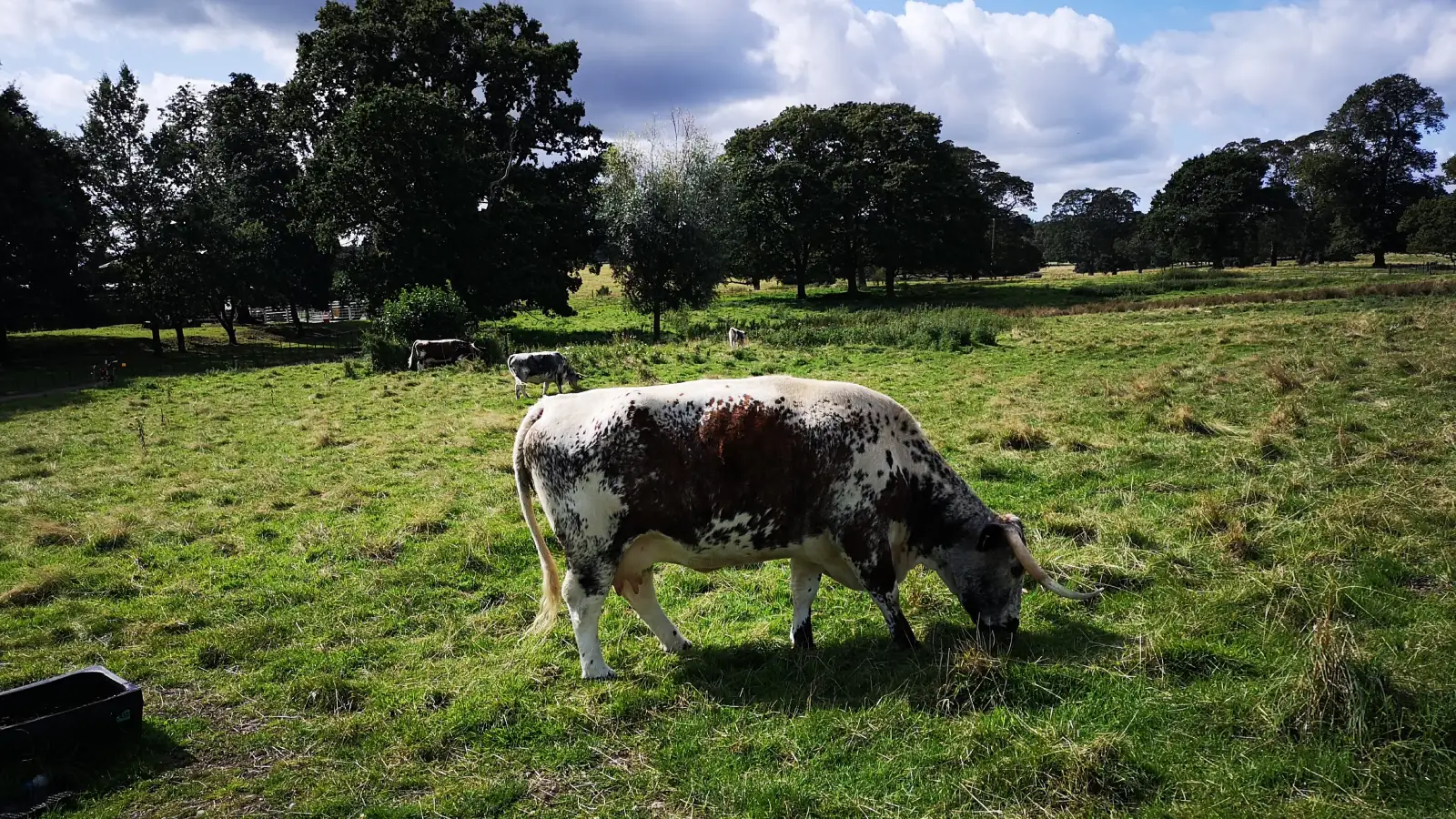
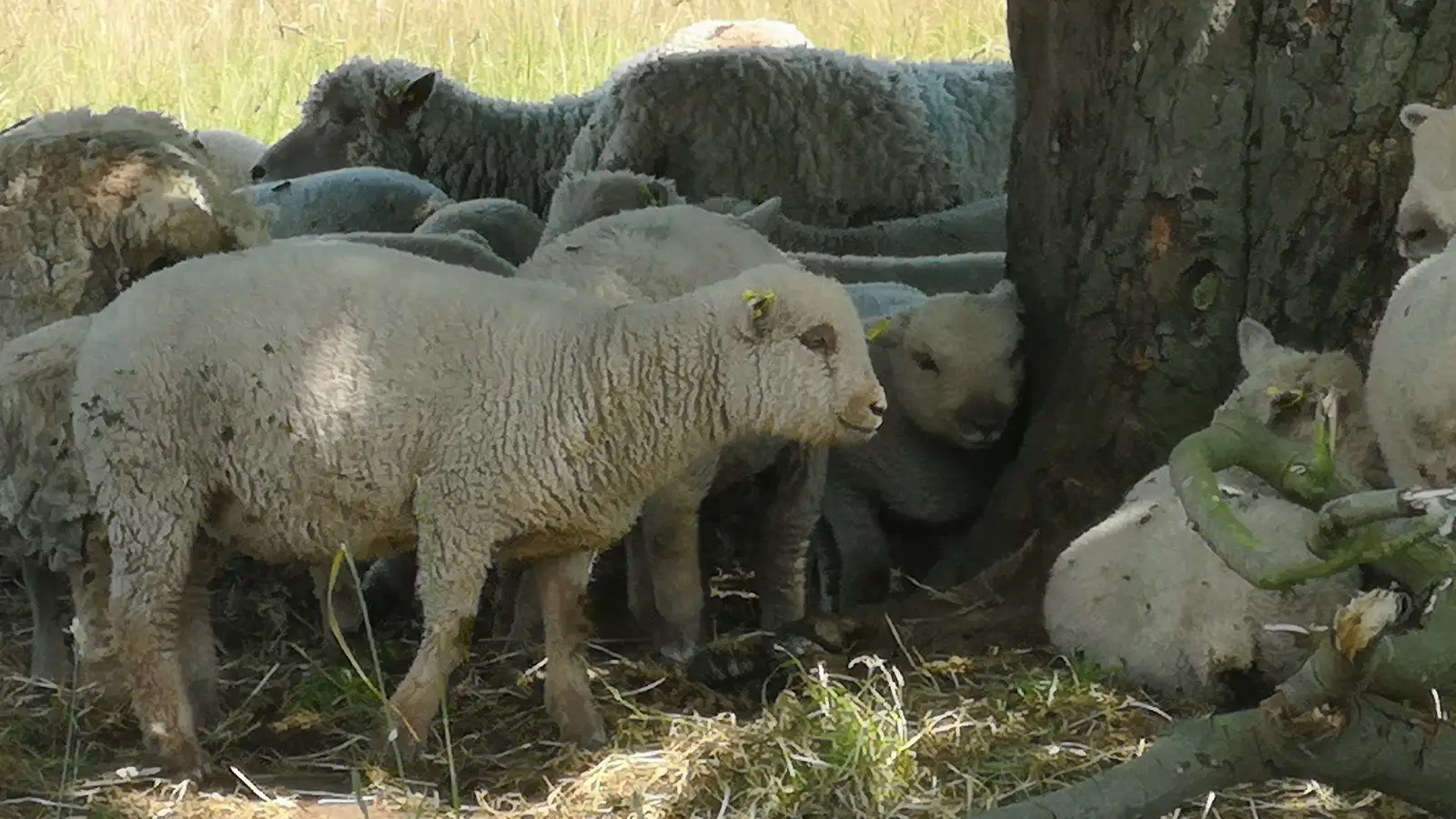
In the pastures around the farm, you can see Southdown sheep, Longhorn cattle and other breeds that were once common in the region. The animals here are not only an attraction but also part of the heritage breed conservation programme that the National Trust runs at many of its sites. Thanks to this, Park Farm retains its authentic character and serves an educational purpose, particularly for younger visitors.
Within the farm, there is also the Park Farm Café and rest areas, where you can stop for a moment whilst exploring. It is a peaceful, rural part of the estate where you can experience the atmosphere of life on an old English farm. Park Farm is a natural complement to the house and gardens, demonstrating that Shugborough was not only an elegant home but also a thriving farm.
Gardens, parks and monumental buildings
The gardens and landscape park surrounding Shugborough Estate form one of the most distinctive features of the entire estate. It is a vast expanse where formal gardens, secluded paths and open meadows blend together to create a harmonious whole. The National Trust ensures that the historic layout of the grounds is preserved, whilst allowing visitors to stroll freely and discover the estate’s many hidden corners.
A special place is the Walled Garden – a former kitchen garden where vegetables, fruit and ornamental plants were grown for the needs of the manor house. Today, it is a space full of colours and scents, carefully tended by NT gardeners. In other parts of the park, there are tranquil ponds, bridges, tree-lined avenues and natural clearings, which create the perfect conditions for relaxation and photography.
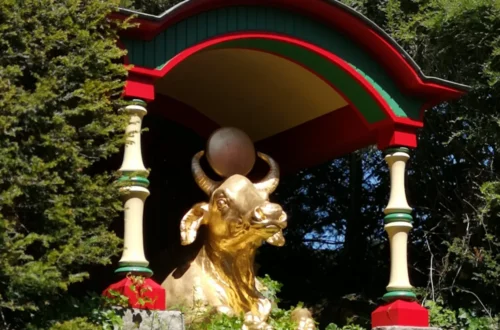
The estate also features monumental garden structures that give Shugborough its unique character. These include the Shepherd’s Monument, Hadrian’s Arch, the Cat’s Monument and the Tower of the Winds. Each of these structures has its own history and was part of the Anson family’s ambitious vision to create a landscape inspired by travel, art and classical architecture. As you stroll through the park, you can discover them gradually, just as the estate’s guests did over two hundred years ago.
Facilities for visitors
Shugborough Estate offers a range of facilities to make exploring the grounds easier. The estate features toilets, food and drink outlets, a gift shop and designated rest areas.
Some of the paths are suitable for pushchairs and prams, making it easier for families and people with reduced mobility to get around.
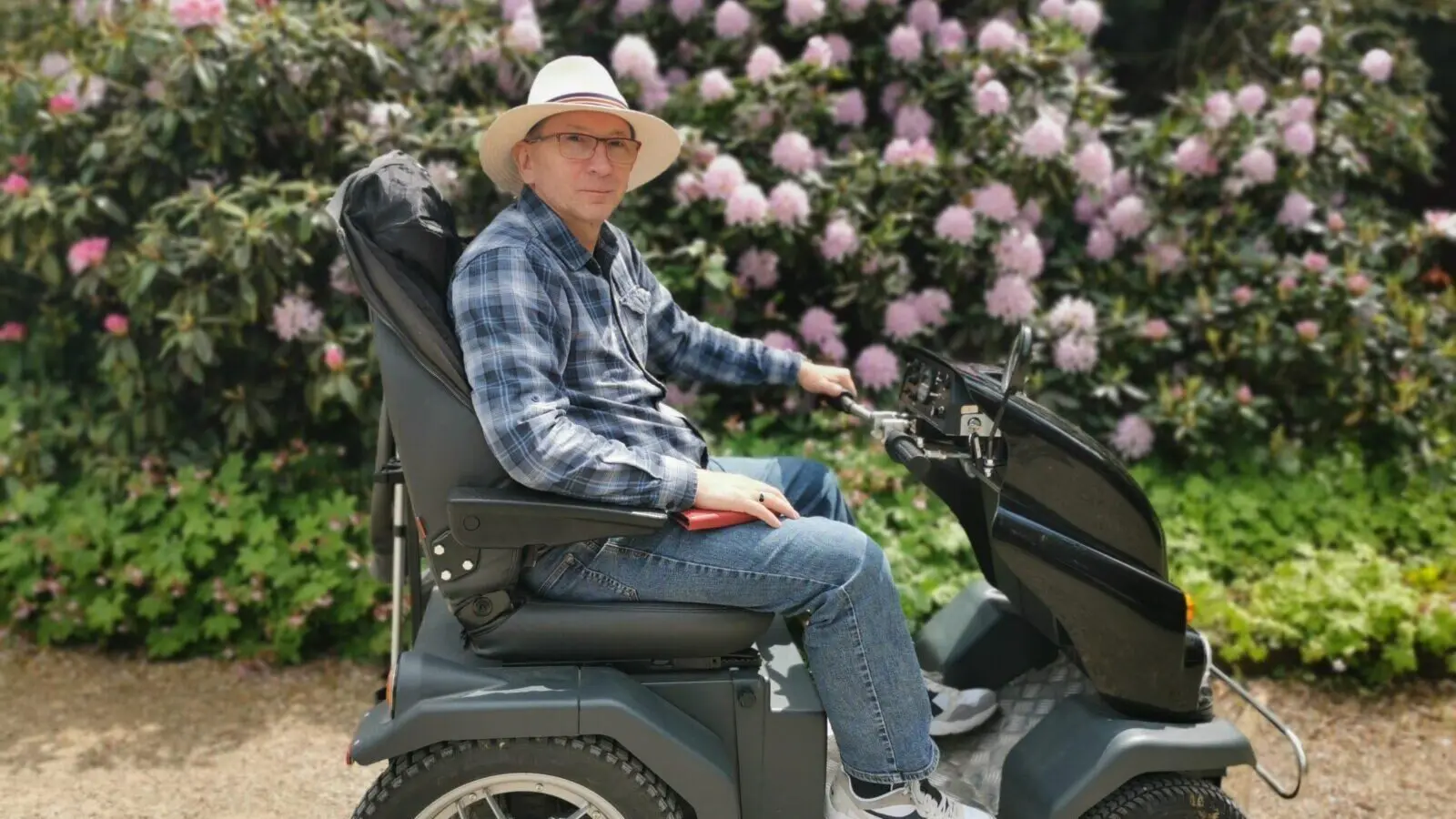
Visitors with mobility difficulties can use the Tramper, an off-road electric scooter available by prior booking at shugtramper@nationaltrust.org.uk.
Attractions for families and children
Shugborough Estate offers a wide range of attractions for families, including designated play areas and spaces for free play in the open air.
Children can take part in seasonal educational events and explore interactive features scattered throughout the estate.
Family walking trails lead through the park’s most interesting spots, and additional themed activities are organised during the school holidays.
Luminate Light Trail
Luminate Light Trail is an annual winter event held at Shugborough Estate. It is an evening light trail that guides visitors through the gardens, the park and selected parts of the estate, creating an atmospheric, magical setting filled with light, colour and sound.
The trail is approximately one mile long and has been designed to engage the senses through a combination of illuminations, projections, interactive installations and carefully curated music. Each section of the trail has its own character, ranging from tranquil relaxation zones to dynamic light shows synchronised with sound.
Luminate is a family event, but it is equally suited to a peaceful evening stroll for adults. Along the route, there are spots where you can rest, warm up by a fire pit or roast marshmallows. The whole experience creates a friendly, festive atmosphere that attracts visitors of all ages.
The event takes place in the run-up to Christmas and returns every year, usually from late November to the end of December. As a result, it has become one of the most recognisable winter highlights at Shugborough Estate, combining elements of light art, music and an immersive walk.
This section also features my video from Luminate, which showcases the most interesting parts of the route, including light installations, building projections, sound effects and the overall atmosphere of the event.

Comprehensive Accessible Transcription: Luminate at Shugborough Estate 2023
Narrator's Opening Speech (00:00:07 - 00:00:45)
"Hi everyone, and welcome to another vlog. Today we are at Shugborough Estate for Luminate – the winter light trail. It is a spectacular, mile-long trail full of wonder and magic, guaranteed to enchant the senses. The trail runs from 1st to 24th December 2023, and it’s actually back for 2024 as well, starting on 29th November. So, let’s go and have a look around."
Soundscape and Music Guide
- [00:00:01] Intro: Light, upbeat orchestral music with festive bells.
- [00:01:30] Enchanted Woodland: Ethereal, ambient synthesizers with fairy-like chime sounds.
- [00:08:45] The Projection Show: Dramatic, cinematic percussion with deep drum beats.
Visual Description Highlights
- [00:12:30] Shimmering Vortex: The light tunnel creates a parallax effect, making it seem to spin.
- [00:20:05] The Talking Tree: Deep male baritone voice. High-definition facial projection on the bark.
Full Transcript Available: Luminate at Shugborough Estate 2023
Narrator’s Voiceover (00:00:07 – 00:00:45)
"Hello everyone and welcome to another vlog. Today we’re at Shugborough Estate for Luminate – the winter light trail. It’s a spectacular, mile-long route full of wonders and magic that’s guaranteed to enchant the senses. The trail is open from 1 to 24 December 2023 and will actually return in 2024 as well, starting on 29 November. So, let’s go and have a look around.”
Soundtrack and Music
- [00:00:01] Introduction: Joyful orchestral music with bells.
- [00:01:30] Enchanted Forest: Ethereal synths harmonising with neon lights.
- [00:08:45] Projection Show: Rhythmic drumbeats synchronised with 3D mapping.
Key Visual Descriptions
- [00:12:30] Light Vortex: A parallax effect in an LED tunnel, creating the impression of spinning.
- [00:20:05] Talking Tree: A deep baritone. A precise projection of a face onto the trunk of an old tree.
Ticket prices and NT membership
Shugborough Estate is managed by the National Trust, so ticket prices and admission rules are in line with the organisation’s policy. Holders of a valid National Trust membership can visit the estate free of charge, which includes the house, gardens, Park Farm and the park grounds.
Single-entry tickets are available for visitors without membership. Current ticket prices for a tour of the entire estate are: adults £19.80 with Gift Aid or £18.00 without Gift Aid, children £9.90 with Gift Aid or £9.00 without Gift Aid, and a family (2 adults and up to 3 children) £49.50 with Gift Aid or £45.00 without Gift Aid. Cheaper tickets covering only the park and gardens are also available.
Prices may vary seasonally, so it is always worth checking the latest information on the National Trust website before you go. Tickets can be purchased online at https://www.nationaltrust.org.uk/visit/shropshire-staffordshire/shugborough-estate, whilst information on membership can be found at https://www.nationaltrust.org.uk/membership.
Directions, parking and rules regarding dogs
Shugborough Estate is situated in Staffordshire, a few minutes’ drive from Stafford and a short distance from the A513 and A51 main roads. The route is well signposted, and there are signs near the estate directing visitors to the National Trust car park.
There is a large car park for visitors on the estate. National Trust members park for free, whilst other visitors pay a fee in accordance with the current price list. The car park is a short walk from the main entrance and can get busy at times during the season, so it is worth arriving a little early.

Dogs are welcome in most of the outdoor areas of Shugborough Estate, provided they are kept on a lead. However, they are not permitted inside the house or in some of the formal gardens. There are designated areas on the estate with water bowls and waste bins, making it easier to walk your dog.
Below is a Google map showing the exact location of Shugborough Estate to help you plan your journey.
That’s all for this post.
If you’d like to discover more places and stories from my life in the UK, take a look at:
• Don’t be afraid — my first step into illness.
• My journey through chemotherapy: pain, determination and hope.
Below you’ll find more posts on related topics.
You may also like

A warm visit from alpacas to Stafford & District Stroke Club
1 marca 2026
A photographic feast: the colours of the Shugborough Estate flowers
26 lutego 2026